Sales Compensation Software Benchmark | Compare 15+ Platforms (Features, Pricing, User Reviews, etc.)
Download
- A draw against commission is an advance on commissions you have not earned yet: you receive a steady amount, then it is reconciled once your commissions come in.
- Two types decide who carries the risk: a recoverable draw must be repaid from future commissions (risk on the rep), while a non-recoverable draw is written off if you fall short (risk on the employer), better suited to ramp periods and new territories.
- A company can recover a recoverable draw only from future commissions per your agreement; clawing it back as a cash debt after you leave depends on your contract terms and UK employment law.
- A draw is not a salary and is not a scam, but a poorly documented recoverable draw can feel like one when a rep discovers a balance they could not see growing.
- The single biggest factor is visibility: a fair draw has written terms, a realistic amount, and a running balance the rep can check in real time, exactly what a sales compensation platform provides.
If a sales job offer mentions a draw against commission, here's what it means for your paycheck: it's an advance your employer pays you against commissions you haven't earned yet. You receive a steady amount during slow months, then it's reconciled once your commissions come in, fully or partially depending on the type.
Done right, a draw keeps you solvent while you ramp and smooths income through long sales cycles. Done badly, with repayment terms you can't see, it leaves you owing money you didn't expect. This guide is written from your side of the table: how a draw works, what you take home (with worked examples for both types), which type favours you, whether you can be made to pay it back, and how to spot a fair draw before you sign.
What is a draw against commission?
A draw against commission is a fixed, regular payment advanced to a commissioned rep at the start of a pay period. When the rep's actual commissions are calculated, the draw is subtracted from what they've earned. Earn more than the draw and you keep the surplus; earn less and the shortfall is either carried forward or written off.
It's not a salary. A salary is fixed pay you keep regardless of performance. A draw is an advance tied to commission, also called a commission draw: the money is expected to be "repaid" by the commissions you generate. That single distinction drives everything else about how draws behave.
How does a draw work on commissions?
The mechanic is simple: the company pays the draw up front, then nets it against earned commission at reconciliation. Take a rep on a £4,000 monthly recoverable draw:
| Month | Draw paid | Commission earned | Net to rep | Draw balance owed |
|---|---|---|---|---|
| Month 1 (ramp) | £4,000 | £1,500 | £4,000 | £2,500 |
| Month 2 | £4,000 | £3,000 | £4,000 | £3,500 |
| Month 3 | £4,000 | £9,000 | £5,500* | £0 |
*In Month 3 the rep earned £9,000. They keep the £4,000 draw, the £3,500 balance is recovered from the surplus, and they pocket the remaining £1,500 — a £5,500 net paycheck. Over the three months the rep takes home £13,500, and the balance is now clear. Notice how the balance built: £2,500 unrecovered in Month 1, plus another £1,000 in Month 2, for a £3,500 carry into Month 3. That running figure is the number every rep on a recoverable draw should be able to see at any moment.
One detail offers buries: most draws are time-limited. A draw commonly runs only during a defined ramp window, often the first three to six months, then the rep moves to straight commission. If an offer leaves the draw open-ended, ask when it ends and what your commission looks like after it.
Now run the same £4,000 draw as non-recoverable. Month 1: the rep earns £1,500 and keeps the full £4,000 — the £2,500 shortfall is written off, not owed. Month 2: earns £3,000, keeps £4,000, and the £1,000 gap is written off too. Month 3: earns £9,000 and keeps all £9,000, because there's no balance to recover. Total take-home: £17,000. The £3,500 difference versus the recoverable draw is exactly the shortfall the employer absorbed instead of the rep.
Recoverable vs. nonrecoverable draws
The type determines who carries the risk.
| Recoverable draw | Nonrecoverable draw | |
|---|---|---|
| Repayment | Shortfall is owed and recovered from future commission | Shortfall is written off; the rep keeps it |
| Risk sits with | The rep (can build a balance/debt) | The employer |
| Best for | Established reps, predictable cycles | New hires, ramp periods, new territories |
| Acts like | An interest-free advance | A guaranteed minimum income |
Can a company make you pay back a draw?
With a recoverable draw, yes, but only out of future commissions, and only as your agreement specifies. The unpaid balance is carried forward and recovered when you earn above your draw. What a company generally cannot do is claw back a draw as a cash debt after you leave unless your contract explicitly allows it and state law permits it. This is where the draw agreement matters: it must spell out the draw amount, recoverability, the reconciliation period, and what happens at termination.
Is a draw legally considered a salary?
No, but it interacts with wage law. A draw is an advance, not guaranteed wages. Even so, federal and state rules still apply: your total pay generally must meet the federal (or higher state) minimum wage for hours worked, and non-exempt reps may be owed overtime. Recoverable draws also can't push a worker's pay below minimum wage for a given period. Always verify compliance with your specific state laws, which can be stricter than federal rules.
Should you accept a draw against commission?
From your side, a draw is a trade: more income stability now in exchange for some risk later. Whether it's a good deal comes down to the type, the rate, and how transparent your employer is, the same things you'd weigh in any commission-based sales job.
| Good for you | Watch out for |
|---|---|
| A steady paycheck while you ramp or hit a slow stretch | A recoverable draw can leave you owing money back |
| A safety net through long or seasonal sales cycles | Pressure to clear the balance before you earn extra |
| Time to build pipeline without cash stress | A non-recoverable draw may come with a lower rate or higher quota |
| Predictable income you can plan around | Nasty surprises if you can't see your balance grow |
A draw isn't a scam, but a poorly documented recoverable draw can feel like one. Almost every complaint traces back to two failures: terms that were never explained, and a balance the rep couldn't see growing. When a rep discovers a £6,000 "debt" they didn't know they were accruing, trust collapses. The structure isn't the problem; opacity is. Before you sign, check three things:
- Get the type in writing. Recoverable or non-recoverable changes everything about your risk, so it should be explicit in the offer.
- Ask to see your balance live. The best employers show each rep their outstanding balance in real time, with no spreadsheet guesswork and no end-of-month surprise.
- Confirm the draw is realistic. A draw tied to an achievable ramp is a safety net; one set above what you can earn is a debt machine.
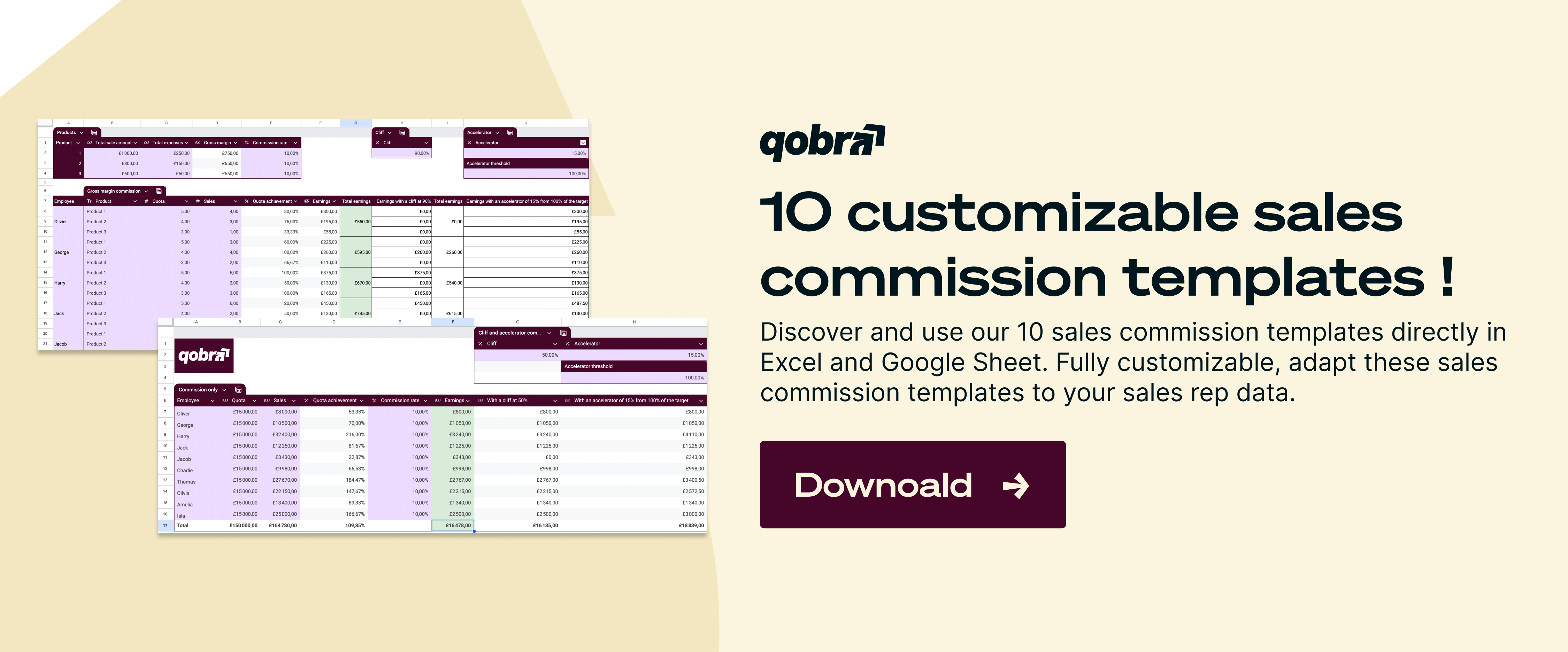
That live-balance setup is the difference between a fair draw and a trap. Employers who run compensation on a sales compensation platform give reps a real-time view of their draw and commissions, exactly the transparency to look for in an offer. If you're on the other side of the table building the plan, start from proven sales commission templates.
Frequently asked questions
Do you have to pay back a draw if you quit?
With a recoverable draw, the balance is normally recovered only from future commissions, so once you leave there's usually no commission left to net it against. Whether an employer can pursue an unpaid balance as a cash debt after you quit depends on your contract terms and your state's wage laws, which often limit or prohibit it. A non-recoverable draw is never paid back.
Is a draw against commission taxable?
Yes. A draw is treated as ordinary income, subject to federal and state income tax and payroll withholding in the period you receive it, just like wages or commission. Your employer reports it on your W-2.
How is a draw against commission calculated?
Employers usually set the draw as a share of your expected monthly earnings, often 40–60%, so it covers living costs without exceeding what you can realistically earn. Each period the draw is paid first, then your actual commission is calculated and the draw is subtracted from it.
Is a draw against commission a scam?
No. It's a legitimate, widely used pay structure. Problems arise only when a recoverable draw is poorly documented or the rep can't see the balance building. Clear written terms and a visible running balance keep it fair.
A draw against commission only works when the maths is visible and the terms are clear. If you run comp for a team, book a demo to see how Qobra automates draws and recovery in real time, so every rep can see their balance and trust it.
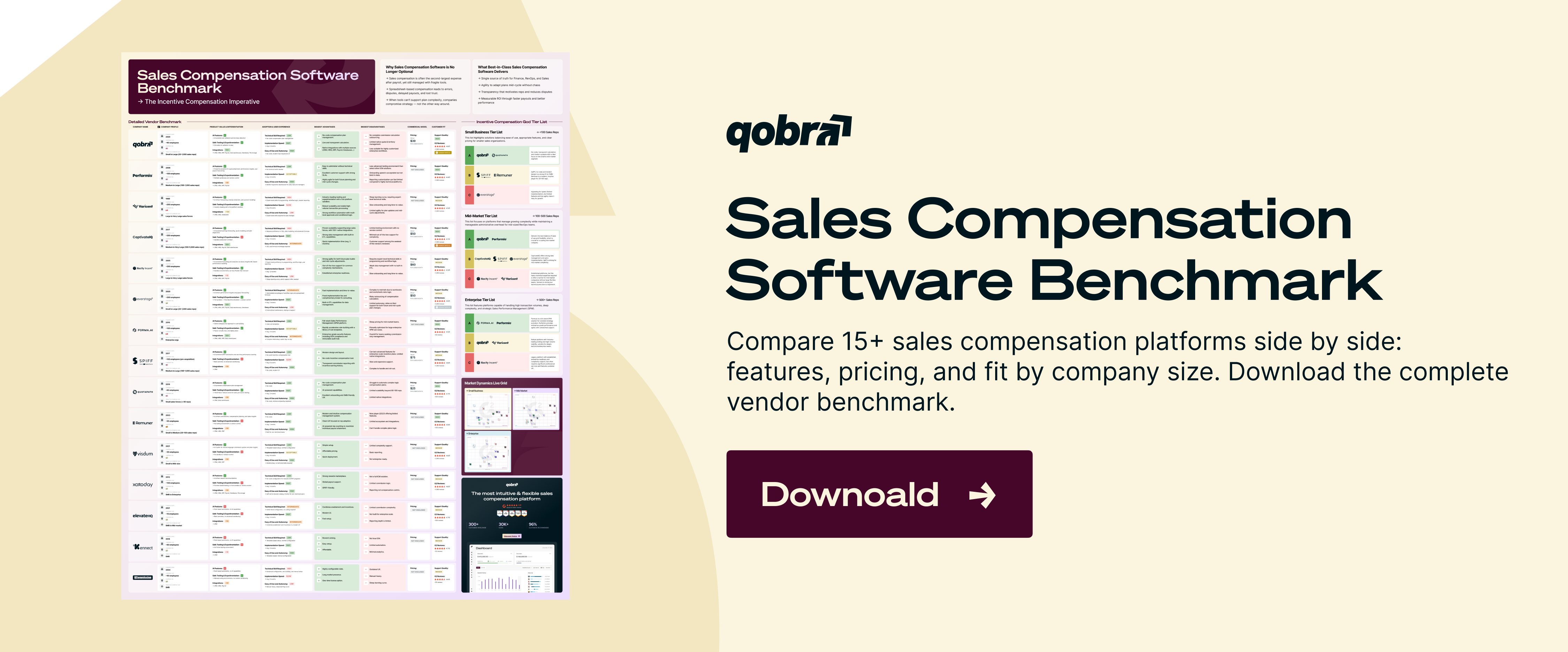
Managing draws is far easier inside commission management software — see how the top tools handle it.