
Qobra vs QuotaPath: The Alternative for When Comp Gets Complex
QuotaPath is a great place to start. Qobra is built for what comes next: flexible plans for every team, users and hierarchy synced with your HRIS, custom dashboards and plan simulations on real data, with AI agents and a dedicated CSM included.


“Since we rolled it out, I hardly get any questions anymore. It saves me a lot of time.”


“With Qobra, we can make plan changes very quickly. It took us one day to implement all the 2026 plans.”


"We can already see that since implementing Qobra, there is 15 to 20% uplift in terms of target achievement."




"It’s rare to put a SaaS integration into a business and have Salespeople come to me as RevOps Director and say wow, I really like that new commission tool, that’s really cool."



"Qobra becomes that one source of truth for everything. You know that kind of helps to give that sense of truth with finance so that they could be like we trust this data."




“With Qobra, we can make plan changes very quickly. It took us one day to implement all the 2026 plans.With Qobra, we can make plan changes very quickly. It took us one day to implement all the 2026 plans.”

They switched from QuotaPath to Qobra
“The weak spot is really flexibility. We hit real limits, especially when it comes to CSM comp plans.”

“Setting up plans is so much more intuitive. Honestly, so far it’s been nothing but positive.”
“The issue that we had in QuotaPath is that we had a ton of plans because of the structure on them.”
“You can even add manual payments on top. That will really help us compared to what we used to have with QuotaPath.”
“With QuotaPath, there’s less customization… we can see that being a challenge as we build out more sophisticated plans.”
“It was all super straightforward. All of the numbers for last month came out correctly…”

Flexibility
Can every team’s plan run in the platform, with no workarounds? Qobra’s no-code engine is built to model any plan, not to fit plans into templates. Tiers, accelerators, clawbacks, splits, multi-currency and role variations all live in one place.
QuotaPath is template-based. That makes simple plans fast to launch, but templates don’t always handle the complexity of real-world comp plans.
- Model any structure with no-code blocks, not predefined templates.
- Bring every team onto the same platform: sales, CS, partners, managers.
- Every calculation step stays visible and auditable.
- Complex plans require workarounds outside the platform.
- Some teams can’t be managed in QuotaPath, so comp ends up split across tools.
If I had to pick one word, it would be efficiency: efficiency from the tool itself, which lets us configure pretty complex rules, and efficiency on the team side because we get great support.

Integrations
What happens to user management when you pass 50 reps? On Qobra, native connectors for every major HRIS, CRM and data warehouse keep users, hierarchy and plan assignments in sync automatically.
QuotaPath has no HRIS integration apart from Rippling, so users, hierarchy and plan assignments are largely managed by hand.
- Native HRIS connectors, not just one: Workday, Personio, HiBob and more.
- User attributes and hierarchy update automatically.
- New hires are auto-allocated to the right plan.
- No native HRIS connector beyond Rippling.
- Manual updates for new hires, leavers, promotions and team changes.
- Becomes a real burden above 50 users.
The reliability of data, where we can now rely on it 200%, without having to go back and forth.

Reporting
Can sales, execs and admins each get the dashboard they need? Qobra includes built-in BI: build custom dashboards for every audience, from record-level detail to cost and performance analysis across plans.
QuotaPath’s reports are easy to create, but flexibility is limited: you can’t build custom dashboards for sales, execs or admins.
- Custom dashboards for reps, managers, execs and admins.
- Cross-plan analysis and easy data reconciliation.
- The Analyst agent builds reports in plain language and flags anomalies.
- Limited reporting capabilities.
- No custom dashboards per audience.
Qobra becomes like that one source of truth for everything. You know that kind of helps to give that sense of truth with finance, so that they could be like we trust this data.
Plan testing & simulation
How do you know a new plan will work before you roll it out? Qobra gives you sandbox environments to test, forecast and optimise plans on real data before they go live.
In QuotaPath, it’s difficult to simulate multiple plans on past data, which makes every plan change riskier.
- Test plan changes in a sandbox, then ship them with a full audit trail.
- Simulate several plans on historical data to measure cost and impact.
- Reps simulate their own future commissions.
- Limited simulation of several plans on historical data.
- Plan changes are harder to de-risk before launch.
It also gives visibility to the Finance department, which can easily see how much we’re going to spend. There are no more last-minute surprises from a financial point of view.

AI capabilities
Is the AI actually doing the work, or just helping you get started? Qobra was built so AI agents can operate the platform end to end. Because plans, data and statements are structured and no-code, agents can build, explain and monitor your compensation, not just answer questions about it.
QuotaPath’s AI is focused on plan setup and comp strategy: an AI plan builder in its plans, and an AI strategist sold as a separate product or managed service.
- The Architect builds and edits comp plans through a conversation: plan changes in minutes, no template to fit.
- The Sales Coach explains every line of a rep’s statement and forecasts future earnings.
- The Analyst builds reports in plain language and flags anomalies before payroll, and MCP brings these agents into your own AI tools.
- AI plan builder focused on setting up plans.
- Advanced AI strategy sold separately or as a managed service.
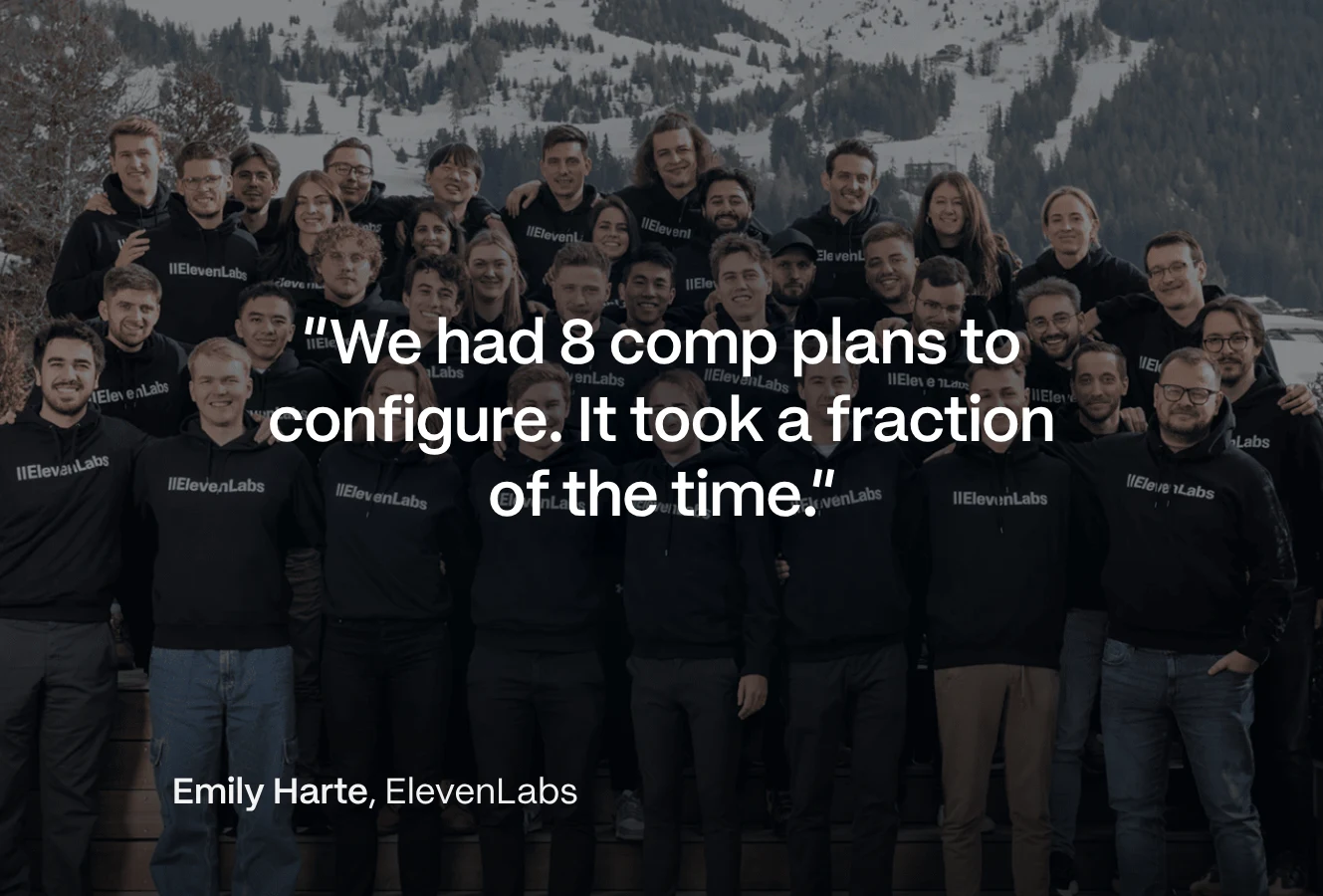
We had 8 comp plans to configure. It took a fraction of the time it would have taken me on my own.


Qobra vs QuotaPath vs spreadsheets, at a glance