Webinar: The Biggest Release Sales Comp Has Ever Seen. Come See For Yourself (Wednesday, October 7)
Register
- Compensation management is the strategic, data-driven process of designing, implementing and maintaining an organization’s total rewards (base pay, variable pay, benefits and perks) to attract, motivate and retain talent.
- Core components: direct pay (base salary, bonuses, commissions, profit‑sharing), indirect benefits (health, retirement, PTO) and non‑monetary rewards (flexibility, development, recognition), combined with pay‑equity practices.
- Primary objectives: ensure market competitiveness and internal fairness, align rewards with business goals and performance, control costs and maintain legal compliance.
- Practical implementation steps: benchmark market data; create pay grades and ranges; define compensation mix and policies; communicate and train managers; monitor KPIs (compa‑ratio, turnover, pay‑equity) and perform regular reviews.
- Use the right tools and resources: adopt HRIS/compensation software for automation and transparency, run pay‑equity audits, and provide templates and calculators (salary grid, total‑rewards statement, implementation checklist) to operationalize the plan.
How can you ensure your salary and benefits packages attract the best talent, motivate your teams, and keep your top performers from looking elsewhere? The answer lies in a strategic, data-driven approach known as compensation management. It is the framework that transforms pay from a simple expense into a powerful tool for driving business success.
Compensation management is the systematic process of designing, implementing, and maintaining an organization's reward system. This strategic function goes far beyond deciding salaries; it encompasses all monetary and non-monetary benefits an employee receives in exchange for their work. A well-executed strategy ensures that compensation is fair, competitive, and aligned with the company's financial goals and core values.
Ultimately, this practice is a critical component of talent management. It uses total compensation—including salary, bonuses, benefits, and perks—to attract new hires, boost employee satisfaction, drive performance, and reduce turnover.
Why is Compensation Management a Strategic Imperative?
A thoughtful approach to employee rewards directly impacts nearly every aspect of the employee lifecycle and overall business health. When compensation strategies are clear and equitable, employees feel valued and are more motivated to perform at their best.
Here are the primary objectives and benefits of effective compensation management:
- Attract and Retain Top Talent: In a competitive job market, a compelling compensation package is often the deciding factor for a candidate. To secure and keep the best people, your offers must be attractive and align with industry standards.
- Boost Employee Motivation and Performance: By creating clear links between effort, results, and rewards, organizations foster a culture of achievement. Well-designed incentive programs can significantly drive productivity and help teams focus on the outcomes that matter most.
- Ensure Fairness and Equity: A core goal is to establish transparent and equitable pay structures. This reduces dissatisfaction, builds trust, and mitigates risks associated with pay discrimination. Regular audits can uncover and address inequalities, such as a gender wage gap, ensuring everyone is paid fairly for their contributions.
- Control Costs and Manage Budgets: Effective compensation management strikes a crucial balance between offering competitive pay and maintaining the organization's financial stability. It involves careful budgeting and analysis to ensure reward programs are sustainable.
- Maintain Legal Compliance: Adhering to labor laws and regulations is fundamental. A structured compensation process helps mitigate the risk of legal issues, penalties, and damage to the company's reputation, reinforcing a commitment to ethical employment practices.
What is Salary Compression?
Salary compression occurs when the pay difference between new hires and experienced employees in similar roles is minimal or non-existent. This often happens when market rates for new talent rise faster than internal salary increases. It can lead to significant dissatisfaction and turnover among tenured staff, making proactive compensation management essential to avoid it.
The Key Components of a Compensation Plan
A comprehensive compensation strategy is built on several pillars, each contributing to the total value offered to an employee. These elements can be grouped into direct, indirect, and non-monetary compensation.
Direct Compensation
This includes all monetary payments made directly to an employee.
- Base Pay: This is the fixed, regular payment an employee receives, either as an annual salary (for exempt employees) or an hourly wage (for non-exempt employees). It is the foundation of the compensation package and must be competitive to attract qualified candidates.
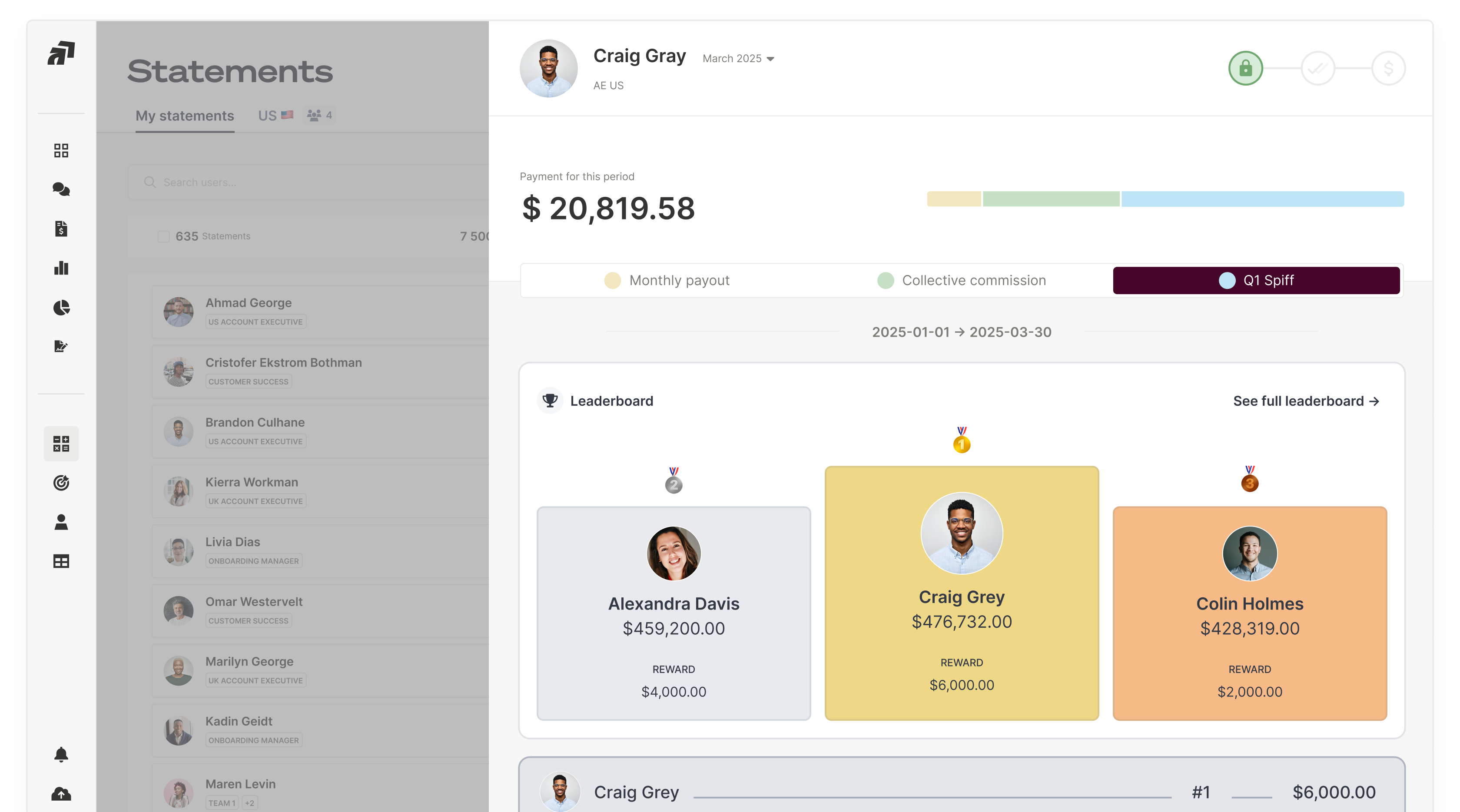
- Variable Pay: This performance-based pay rewards employees for achieving specific goals. It is designed to motivate and align individual, team, or company performance with strategic objectives. Common examples include:
- Bonuses: One-time payments for achieving specific milestones or company-wide targets.
- Commissions: Payments based on a percentage of sales, common for sales teams.
- Profit-Sharing: A program that distributes a portion of the company's profits to employees.
Indirect Compensation
Often referred to as benefits, this is the non-cash portion of the compensation package. These benefits are crucial for employee well-being and long-term security. Examples include:
- Health, dental, and vision insurance
- Retirement plans (e.g., 401(k) or pension plans)
- Paid time off (vacation, sick leave, holidays)
- Life and disability insurance
- Tuition assistance
Non-Monetary Compensation
These are the intangible rewards and perks that enhance the employee experience and contribute to a positive work environment. While they do not have a direct cash value, they are highly valued by employees. Examples include:
- Flexible work schedules and telework opportunities
- Professional development and training
- Company-provided equipment (laptop, phone)
- Wellness programs
- Recognition awards and team-building events
Understanding the difference between monetary and non-monetary compensation is key to building a holistic and attractive package.
Expert Tip: Build a Total Rewards Statement
To ensure employees fully appreciate the value of their compensation, create a "Total Rewards Statement." This document outlines not just their base salary and potential bonuses, but also quantifies the value of benefits like health insurance, retirement contributions, and paid time off. This transparency can significantly improve employee satisfaction and retention.
Types of Compensation Systems and Plans
Organizations use different systems and plans to structure their compensation, depending on their industry, size, and philosophy.
Compensation Systems: The "How"
A compensation system defines the methodology for determining pay levels across the organization.
- Job-Based Systems: Pay is determined by the responsibilities and requirements of a specific role. Most traditional salary grids are job-based, ensuring internal equity by paying similar rates for positions of comparable scope and complexity.
- Market-Based Systems: Compensation is primarily set by referencing external market data from salary surveys. This approach is critical for attracting and retaining talent in highly competitive fields like technology, healthcare, and engineering.
- Skill-Based or Competency-Based Systems: Employees are rewarded for the skills, knowledge, and competencies they possess, not just their job title. This system encourages continuous learning and is often used for technical specialists and leadership roles.
Compensation Plans: The "What"
A compensation plan is the specific package of pay and benefits offered to employees.
- Traditional Plans: These offer a structured salary schedule and a standard benefits package. They are common in public agencies and large corporations for their predictability and perceived fairness.
- Flexible Benefits Plans (Cafeteria Plans): Employees can choose from a menu of benefits to create a customized package that meets their individual needs, selecting options like additional leave days, childcare support, or enhanced dental coverage.
- Commission-Based Plans: Predominantly used in sales, these plans directly reward employees based on measurable outputs like revenue generated or units sold. Designing an effective incentive compensation plan is crucial for driving the right sales behaviors.
The Compensation Management Process: A Step-by-Step Guide
Implementing a robust compensation strategy requires a deliberate, ongoing process. Here are the key steps to follow.
Step 1: Research and Analysis
Before you can build a structure, you need to gather data from both internal and external sources.
- Internal Analysis: Review the company’s budget, financial performance, and strategic goals. Evaluate existing roles, skill sets, and current pay structures to identify any inconsistencies or issues.
- External Analysis (Benchmarking): Analyze market survey data to understand what competitors are paying for similar positions. Consider factors like geographic location, industry, and cost of living. This ensures your compensation remains competitive.
Step 2: Design the Compensation Structure
Using the data gathered, you can now design your framework.
- Create Pay Grades and Salary Ranges: Group similar jobs into pay grades. For each grade, establish a salary range with a minimum, midpoint, and maximum. The midpoint should ideally align with the market rate for that role.
- Define the Compensation Mix: Determine the balance between base pay, variable pay, and benefits. For example, sales roles might have a lower base salary but a higher potential for commission, while administrative roles will have a more predictable, salary-focused structure.
- Develop Policies and Guidelines: Document clear policies for salary increases, promotions, and bonus payouts to ensure consistency and transparency.
Step 3: Implementation and Communication
Once the structure is approved, it is time to roll it out.
- Communicate the Plan: Transparency is critical. Clearly explain the new compensation philosophy and structure to managers and employees. Help them understand how their pay is determined and what they can do to increase their earnings. Promoting pay transparency builds trust and reduces speculation.
- Train Managers: Equip managers with the knowledge and tools to discuss compensation with their teams effectively. They should be able to explain salary ranges, performance metrics, and career progression paths.
Step 4: Monitor, Evaluate, and Adjust
Compensation management is not a one-time project. It requires continuous monitoring and refinement.
- Track Key Metrics (KPIs): Use data to measure the effectiveness of your strategy. Key metrics include:
- Compa-Ratio: Compares an employee's salary to the midpoint of their pay range. A ratio of 1.0 means they are paid at the market rate.
- Employee Turnover Rate: High turnover, especially among top performers, can indicate compensation issues.
- Pay Equity Audits: Regularly analyze pay data across demographics (gender, race, ethnicity) to identify and correct disparities.
- Conduct Regular Reviews: Review the compensation plan at least annually to ensure it remains competitive and aligned with business goals. Market conditions can change quickly, so be prepared to make adjustments.
The Right Tools for the Job
Managing compensation effectively, especially for large or growing teams, is nearly impossible with spreadsheets alone. Modern HRIS platforms can help manage base pay and benefits, while specialized compensation management software is essential for complex variable pay. Our solution, for instance, provides a powerful no-code engine to build and automate any commission plan, ensuring accuracy and motivating your teams with real-time visibility into their earnings.
A well-defined compensation strategy is more than just an HR function; it is a fundamental pillar of a successful business. By thoughtfully designing, implementing, and managing your reward systems, you create a virtuous cycle: attracting great people, motivating them to perform at their best, and retaining them for the long term. This strategic investment in your employees will ultimately drive organizational growth and success.

Frequently Asked Questions (FAQs)
What is the difference between compensation management and payroll?
Compensation management is the strategic process of designing and managing an organization's overall pay structure, including salaries, bonuses, and benefits. Payroll is the operational function of processing and distributing employee payments accurately and on time, including handling taxes and deductions. In short, compensation is the "what" and "why," while payroll is the "how."
What is "total rewards"?
Total rewards is a broader concept that includes everything an employee perceives as valuable in their employment relationship. It encompasses not only compensation and benefits but also elements like work-life balance, performance recognition, professional development, and career opportunities.
How often should a company review its compensation plan?
It is a best practice to review compensation plans annually to ensure they remain competitive with the market and aligned with the company's budget and strategic goals. For roles in high-demand or rapidly changing fields, more frequent market checks (e.g., semi-annually) may be necessary.
What are the main types of compensation?
The four main types of direct compensation are salary, hourly pay, commission, and bonuses. These are often supplemented by indirect compensation (benefits) and non-monetary rewards to form a complete total rewards package.