Webinar: The Biggest Release Sales Comp Has Ever Seen. Come See For Yourself (Wednesday, October 7)
Register
- Sales incentives are structured rewards—monetary and non-monetary—designed to align rep behavior with business goals, boost engagement, and improve retention.
- Mix financial rewards (commissions, bonuses, SPIFFs, profit-sharing) with experiential and developmental incentives (travel, events, training, recognition, extra PTO) to motivate diverse teams.
- Design simple, role-specific plans that reflect strategy: set realistic, data-driven targets, weight critical KPIs (e.g., ≥20% of variable pay), and define split rules for collaborative deals.
- Measure and optimize continuously using KPIs (revenue, margin, conversion rates, retention), run pilots/A‑B tests, and review cadence and budget against OTE benchmarks.
- Build fairness and trust through clear rules, real-time transparency and automation (dashboards, CRM integrations), and support rollout with templates, checklists and an ROI calculator.
How do you keep your sales team genuinely enthusiastic and driven to crush their goals, quarter after quarter? A simple pat on the back might work occasionally, but to build sustained momentum, you need a more structured approach. This is where a well-designed sales incentive plan becomes your most powerful tool.
Sales incentives are the rewards your representatives receive on top of their base compensation for exceptional performance. They are a direct investment in your bottom line, designed to keep your team engaged, boost employee satisfaction, and drive higher retention. According to a Deloitte study, 44% of employees will remain at their job if offered bonuses or financial incentives. The key, however, is moving beyond a one-size-fits-all model and creating a program that aligns with both your business goals and your team’s unique motivations.
What Are Sales Incentives?
Sales incentives are structured rewards that motivate salespeople to achieve specific outcomes. This typically means meeting or exceeding sales targets, but it can also involve reinforcing desired behaviors like upselling, securing multi-year contracts, or improving profit margins. These rewards are not just about the final number; they are about shaping how that number is achieved.
A robust incentive program creates a scenario of mutual success: your company achieves higher sales and profits, while your reps receive tangible recognition for their hard work. For naturally competitive salespeople, incentives add fuel to the fire. For those less driven by competition, they provide a clear, attainable goal to work toward. Ultimately, getting a valuable reward that you've earned feels good. It’s a constructive way to show your team you value their contribution, which is crucial for retaining top performers and avoiding the high costs of recruitment and onboarding.
Types of Sales Incentives: Beyond the Commission Check
While money is a clear, straightforward, and universally popular motivator, a truly effective program often blends different types of rewards. The most successful plans cater to diverse preferences by combining financial rewards with memorable experiences and meaningful recognition.
Monetary Incentives
These are the financial backbone of most compensation plans and provide direct, tangible value.
- Commissions: The most common form of variable pay, where a salesperson earns a percentage of the revenue or profit from the deals they close.
- Performance Bonuses: Lump-sum payments awarded for achieving specific targets over a set period (e.g., quarterly or annually). These can be tied to individual, team, or company-wide performance.
- Sales Contests & SPIFFs: A SPIFF (Sales Performance Incentive Fund) is a short-term contest designed to drive a specific, immediate behavior. For example, a cash bonus for the first rep to sell a new product or for the team that books the most demos in a week.
- Profit Sharing: This incentive ties a portion of an employee's compensation to the company's overall profitability, fostering a sense of ownership and encouraging behaviors that benefit the entire business, not just individual sales quotas.
Non-Monetary Incentives
While cash is king, non-monetary rewards can create lasting memories and foster a stronger emotional connection to the company.
- Travel and Experiences: The prospect of a well-deserved trip can be a powerful motivator. Consider offering hotel vouchers for a weekend getaway, travel coupons (like Airbnb's famous £2,000 employee credit), or even an all-expenses-paid team trip for hitting a collective goal.
- Event Tickets: For sports fans or music lovers, tickets to a big game or a sold-out concert can be more valuable than their cash equivalent. Offering season tickets or VIP passes can be an incredible reward for a top performer.
- Professional Development: Investing in your team's growth is an incentive that pays dividends. This could include funding for industry certifications, tickets to major conferences, or enrollment in an advanced sales training course.
- Recognition and Status: Publicly acknowledging achievements costs nothing but can be immensely powerful. This can take the form of an award (e.g., "President's Club"), a feature in the company newsletter, or a lunch with the CEO.
- Extra Time Off: The gift of time is highly coveted. Offering an extra day or two of paid leave is a simple yet effective way to reward hard work and help prevent burnout.
How to Design an Effective Sales Incentive Plan
A successful incentive program isn't just a list of rewards; it's a strategic system. Done right, it can be a primary driver of business growth. Done wrong, it can lead to a "revenue-at-any-cost" mentality and internal conflict. Here’s a framework for building a plan that works.
Step 1: Start with Simple Foundations
If you're implementing a plan for the first time, the biggest mistake is overengineering it. Without historical data on sales cycles, team capabilities, and what truly drives revenue, a complex structure is just guesswork disguised as strategy.
Begin with one foundational structure for all sales roles. Establish clear principles first, then add complexity as you gather data and understand performance patterns. A flexible, no-code platform can be invaluable here, allowing you to build and adapt your plans as your business evolves without needing technical resources.
Step 2: Align Incentives with Business Strategy
A well-designed incentive plan isn't just about paying more; it's about paying for the right results. It should be a direct reflection of your company's strategic priorities.
Your incentive plan must be a direct reflection of your overarching business goals. Are you focused on acquiring new logos, increasing customer lifetime value through retention, or breaking into a new market? Each objective requires a different incentive structure.
For example, if new customer acquisition is the priority, you might offer a higher commission rate or a "kicker" bonus on deals with new clients. If retention is key, you could create incentives for multi-year contracts or renewals.
Step 3: Define Clear and Realistic Targets
Goals must be both challenging enough to motivate and realistic enough to be achievable. If targets are too easy, you're overpaying for mediocre results. If they're impossible, your team will disengage. Use historical performance data to set quotas, and if a specific outcome is critical, ensure it is weighted appropriately—a common rule of thumb is that any key performance indicator should represent at least 20% of the total variable pay.
Step 4: Tailor Incentives by Role and Structure
Sales is not a monolithic function. The goals of a Sales Development Representative (SDR) are different from those of an Account Executive (AE) or a Customer Success Manager (CSM). Your plan should reflect this.
- Role-Specific Incentives: Reward SDRs for booked meetings that convert to opportunities, and AEs for closed-won revenue.
- Split Incentives: For complex deals involving multiple team members, a split incentive structure encourages collaboration by rewarding everyone who contributed to the sale.
- Presales Incentives: In long sales cycles, rewarding reps for achieving key milestones (like a successful proof-of-concept) can maintain motivation.
Managing these complex, multi-layered rules manually is nearly impossible. This is where automation becomes critical. A platform like Qobra can automate the calculation of these rules, ensuring fairness and accuracy for everyone involved, from SDRs to Account Executives.
Expert Tip: Automate for Transparency and Trust
Manual commission calculations on spreadsheets are notoriously prone to errors and create a significant lag between performance and reward. This opacity can demotivate reps and lead to constant disputes. Using an automated commission platform provides a single source of truth, giving reps real-time visibility into their earnings and building trust in the compensation process. It also frees up valuable time for your finance and operations teams.
Step 5: Prioritize Clarity and Communication
If your sales team can't understand their compensation plan in five minutes, it's too complicated. Complexity kills motivation. The rules should be simple, the calculations transparent, and the rewards clearly communicated.
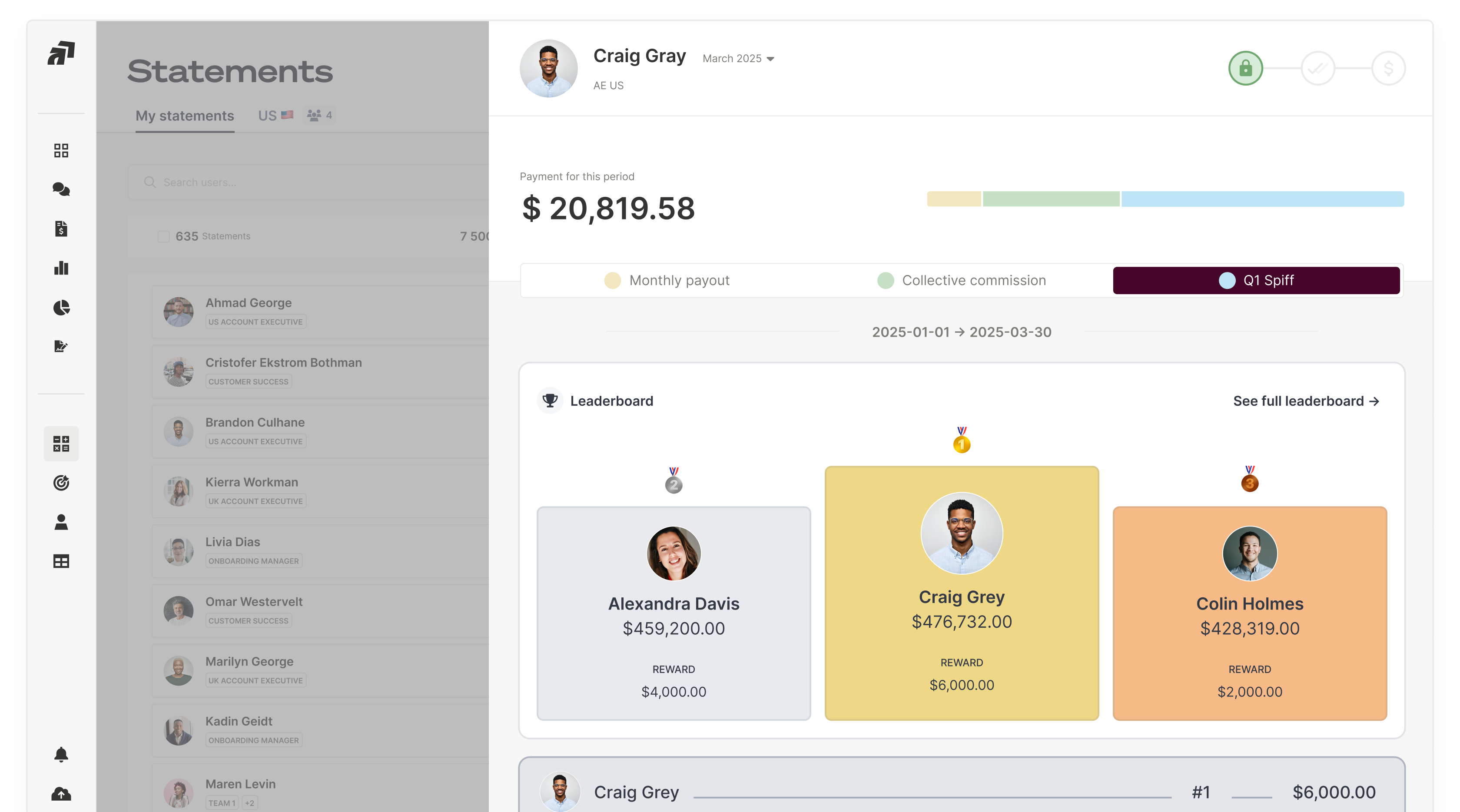
The most motivating plans provide reps with real-time visibility into their performance and potential earnings. Modern platforms like Qobra offer personalized dashboards that show reps exactly where they stand against their goals and what their next deal is worth. This eliminates the "black box" of traditional calculations and turns the compensation plan into a daily motivational tool. The platform also integrates directly with your CRM and other systems, ensuring data is always accurate and up-to-date.
15 Creative Sales Incentive Ideas to Motivate Your Team
Looking for fresh ideas to energize your sales force? Here are 15 incentives that work across different teams and budgets:
- Travel Vouchers & Getaways: Offer airline points, hotel vouchers, or an Airbnb credit so winners can choose their own adventure.
- Exclusive Event Tickets: Secure passes to a major sporting event, a sold-out concert, or a popular theatre show.
- Team Experiences: Reward a collective achievement with a team-building activity like a day at a resort, a mystery dinner, or an outdoor adventure.
- Fine-Dining Experiences: Provide a gift card to a Michelin-starred restaurant for a top performer and their partner.
- Professional Development Fund: Allocate a personal budget for each top performer to spend on courses, books, or conferences of their choice.
- Extra Paid Time Off (PTO): A few extra "President's Club" vacation days are a highly valued and low-cost reward.
- Home Office Upgrade: Offer a budget for a new ergonomic chair, a top-of-the-line monitor, or noise-canceling headphones.
- Premium Subscription Services: Cover a year's subscription to Netflix, Spotify, a high-end gym, or a meal-kit delivery service.
- Wellness Perks: Offer spa vouchers, a membership to a meditation app, or credits for a fitness class platform.
- Charitable Donations: Empower your reps by offering to make a significant donation to a charity of their choice in their name.
- Stock Options: For long-term alignment and motivation, granting stock options can make top performers feel like true owners of the business.
- Mentorship & Access: Arrange a one-on-one lunch or mentorship session with a C-level executive.
- Personalized Gifts: Take the time to understand your reps' hobbies and surprise them with a tailored gift, like a new set of golf clubs or a high-end kitchen gadget.
- A Physical Trophy: A visible symbol of success, like a trophy or plaque displayed in the office, can be a powerful daily motivator.
- Flexibility as a Reward: Grant top performers more autonomy, such as the option to work from home an extra day a week or set more flexible hours.
Measuring and Optimizing Your Incentive Program
Launching a plan is only the beginning. To ensure it remains effective, you must continuously measure its impact and be prepared to iterate.
Key KPIs to Monitor
Track a blend of performance, activity, and team health metrics to get a holistic view.
- Sales Performance: Track revenue growth, profit margins, average deal size, and sales cycle length.
- Activity Metrics: Monitor conversion rates at each stage of the funnel, demo-to-close ratios, and upsell/cross-sell rates.
- Team Health: Keep an eye on employee satisfaction scores and, most importantly, the retention rate of your top performers.
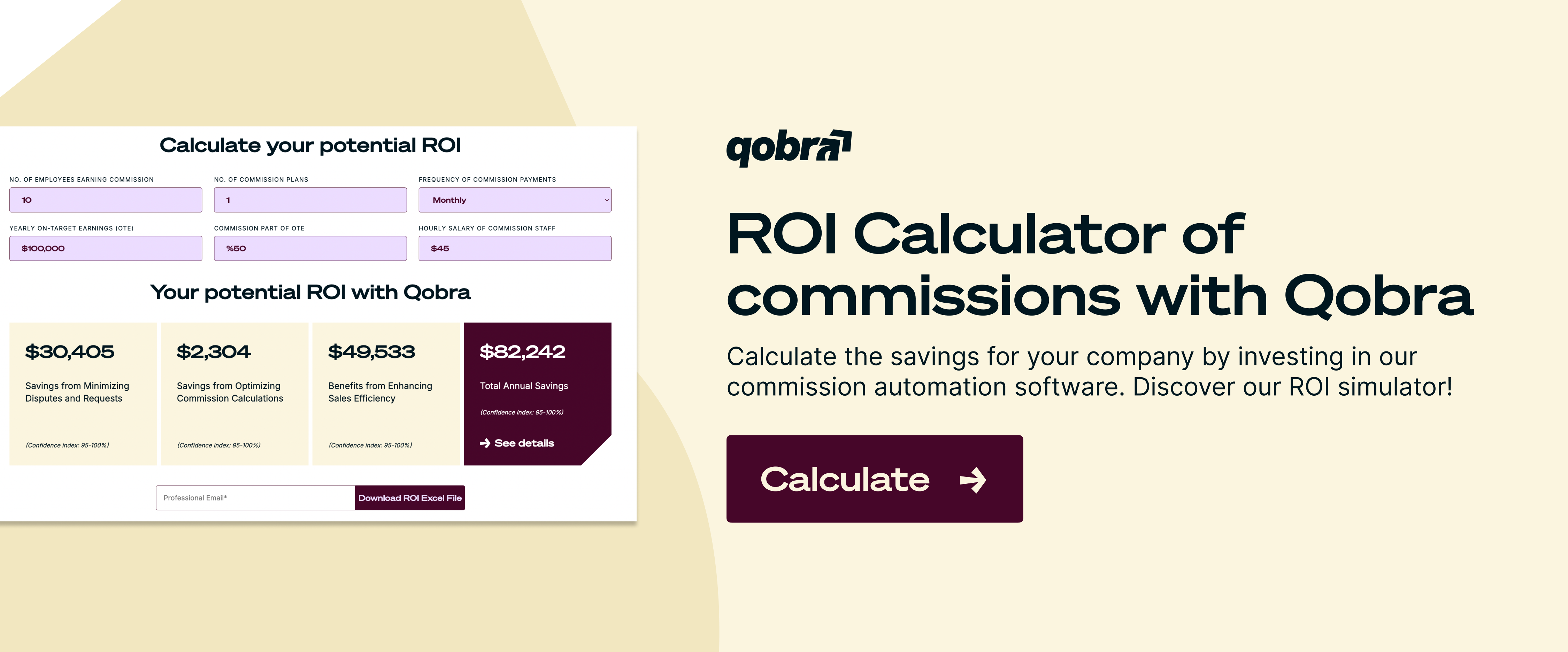
Dashboards in tools like Qobra give Finance and Sales Ops leaders a clear, real-time view of these KPIs alongside the associated commission costs. This makes it easy to calculate the ROI of automating your commissions and measure the financial impact of your plan.
Warning: Avoid Common Pitfalls
A poorly designed plan can have unintended consequences. Watch out for reps who game the system (e.g., offering deep discounts just to hit volume targets), cutthroat competition that harms team culture, or setting unrealistic goals that lead to widespread burnout. Mitigate these risks by rewarding both quantitative and qualitative achievements, promoting team-based goals, and maintaining open lines of communication.
A/B Testing and Iteration
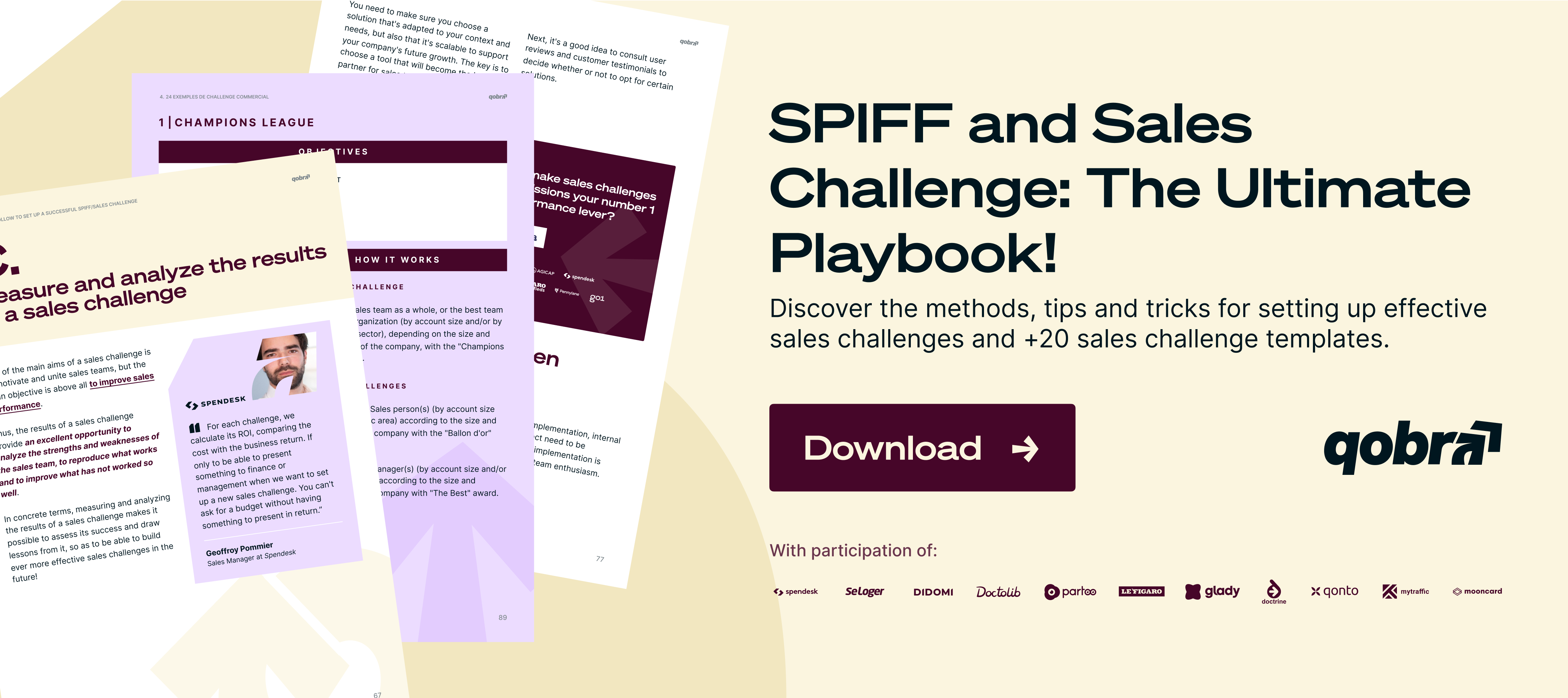
Don't be afraid to experiment. Before a company-wide rollout, consider piloting a new incentive with a small group to measure its effect. Your business strategy will evolve, and so should your compensation plan. Review it at least annually—or even quarterly—to ensure it remains aligned with your top priorities. You can find inspiration from our free compensation plan templates.
A strategic, tailored, and transparent sales incentive plan is one of the most effective levers you can pull to drive growth. By moving beyond manual spreadsheets and embracing a more dynamic and automated approach, you create a system where everyone wins: your company achieves its goals, and your sales team is motivated, engaged, and fairly rewarded for their critical contributions. Learn how leading companies like ElevenLabs motivate their teams with a modern approach to sales compensation.
Frequently Asked Questions
What are the most effective sales incentives?
The most effective plans typically include a mix of monetary and non-monetary rewards. While competitive commissions and bonuses form the foundation, personalized rewards like travel, unique experiences, and professional development opportunities often create a stronger, more lasting motivational impact.
How do you align incentives with business priorities?
Alignment is achieved by carefully weighting the components of your compensation plan. If acquiring new customers is your top priority, assign a higher commission rate or a specific bonus for new logos. If you want to increase profit margins, tie a portion of the bonus to the profitability of each deal rather than just the total revenue.
How much should a company budget for sales incentives?
This varies significantly by industry and company stage, but a common benchmark is the On-Target Earnings (OTE) mix. For most sales roles, the OTE (base salary + variable pay) is split so that 30% to 50% of the total compensation is variable and tied to performance. For example, a 50/50 split on a £100k OTE means a £50k base salary and £50k in potential variable pay.
How can you ensure a sales incentive plan is fair?
Fairness is built on three pillars: clarity, consistency, and transparency. The rules must be simple and apply to everyone in the same role equally. Most importantly, the calculation process must be transparent and error-free. Using an automated commission platform like Qobra eliminates manual calculation errors and gives every salesperson a real-time, trustworthy view of their earnings, which is the ultimate foundation of a fair system.