Webinar: The Biggest Release Sales Comp Has Ever Seen. Come See For Yourself (Wednesday, October 7)
Register
- Xactly remains a legacy ICM leader, but professional services costs of $30K-$50K+ per plan change make ongoing ownership expensive — teams increasingly seek platforms they can manage in-house.
- The most common migration triggers are consultant dependency, dated user interfaces, and total cost of ownership that balloons once you factor in implementation, change orders, and multi-year contracts.
- Qobra delivers in-house implementation in weeks with a no-code builder and zero professional services fees — Operations, Finance, and Sales share a single commission tool with real-time visibility.
- When comparing Xactly alternatives, evaluate three-year TCO (not just license price), implementation timeline, and whether your team can make plan changes without outside help.
Enterprise incentive compensation management (ICM) platforms were built for a world where commission plans changed once a year and a team of consultants could spend six months configuring them. That world no longer exists.
Sales organizations now adjust quotas mid-quarter, launch SPIFs in days, and split credit across overlay teams — all while Finance needs audit-ready reporting and reps demand real-time earnings visibility. When every plan change requires a $30K-$50K+ professional services engagement, the math stops working.
Xactly Incent has been the default enterprise ICM tool for more than a decade, and for large organizations with stable plans and dedicated admin teams, it still delivers. But a growing number of Revenue Operations, Finance, and Sales leaders are evaluating alternatives — not because Xactly cannot calculate commissions, but because the cost structure, implementation model, and user experience no longer match how modern go-to-market teams operate.
This guide walks through why teams leave Xactly, what to prioritize in a replacement, and the 10 best Xactly alternatives in 2026 — with a side-by-side feature comparison and a practical migration roadmap so you can plan the switch with confidence.
Why Teams Consider Xactly Alternatives
The Hidden Cost of Legacy ICM
Xactly's licensing fees are only the starting point. The real expense shows up in three places most buyers underestimate:
- Professional services for every plan change. Adjusting a quota tier, adding an accelerator, or restructuring territories typically requires a statement of work billed at $30K-$50K or more. Over a three-year contract, a team making two to three changes per year can spend more on services than on the platform itself.
- Extended implementation timelines. Initial deployments routinely take six to twelve months, with dedicated consultants configuring rules, building integrations, and running parallel calculations. Delays cascade into missed go-live dates and shadow spreadsheets that persist longer than planned.
- Consultant dependency for ongoing administration. Because the configuration layer is complex, many organizations never fully transfer ownership to internal teams. The result is a recurring reliance on external resources for tasks that should be routine.
Implementation and Onboarding Gaps
Legacy ICM platforms were designed before product-led onboarding became the norm. Common friction points include:
- Training overhead. Admins need specialized certification to build and modify plans, which limits how many people on your team can make changes.
- Rigid data models. Connecting CRM, ERP, and HRIS data often requires middleware or custom ETL pipelines that add cost and fragility.
- Slow feedback loops. Testing a plan change in a sandbox, getting consultant approval, and pushing to production can take weeks — a timeline that does not match quarterly business cycles.
User Experience Gaps
The people who interact with commission data every day — sales reps, managers, and finance analysts — increasingly expect consumer-grade interfaces. Legacy platforms often fall short on:
- Real-time earnings visibility. Reps want to see how a deal impacts their payout before they close it, not after a batch calculation runs overnight.
- Self-service reporting. Finance teams need on-demand access to accruals, forecasts, and audit trails without submitting a ticket.
- Mobile access and notifications. Proactive alerts that explain the commission impact of each deal drive engagement and trust in the system.
What Matters When Replacing Enterprise ICM
Before evaluating individual platforms, define the criteria that matter most for your organization. The following framework covers the dimensions where Xactly alternatives tend to differentiate:
Total Cost of Ownership Over Three Years
License price is one line item. A realistic TCO calculation includes:
Ranges are illustrative and vary by company size, plan complexity, and vendor pricing model.
Implementation Speed and Ownership
Ask every vendor: Can my team implement and modify plans without your consultants? The answer determines whether you are buying a tool or renting a managed service.
Plan Flexibility and No-Code Configuration
Commission plans change. The platform should let Operations build, test, and deploy new plans without writing code or filing a professional services request.
Real-Time Visibility for All Stakeholders
- Sales: Deal-level commission estimates before close, with notifications on booking.
- Finance: Live accrual and forecast dashboards, audit-ready exports.
- Operations: Plan performance tracking, quota attainment tracking, exception management.
Integration Ecosystem
Native connectors to Salesforce, HubSpot, NetSuite, and major HRIS platforms reduce implementation time and ongoing maintenance. Evaluate whether the platform supports bidirectional sync, custom objects, and real-time data ingestion.
The 10 Best Xactly Alternatives in 2026
1. Qobra

Best for: Organizations that want Operations, Finance, and Sales on a single commission platform — with in-house implementation and zero professional services fees.
Qobra helps teams manage commissions better so everyone can rely on a single commission tool. Built for organizations that want commissions to be clear and trusted in day-to-day work, Qobra delivers real-time visibility at every level — by team, by individual, and down to specific commission amounts.
Why teams choose Qobra over Xactly:
- In-house implementation in weeks, not months. Qobra's no-code plan builder lets Operations teams configure even complex multi-tier, multi-role plans without consultants. There are no professional services fees for implementation or ongoing plan changes.
- Real-time commission visibility for reps. Sales teams get a live overview of their commissions so they can see what they will receive when they close a deal. Email notifications explain the impact of each deal, which drives engagement and confidence in the system.
- Finance-grade reporting and auditability. Finance teams access commission data at multiple levels — team, individual, and line-item — at any time. Accrual and forecast reporting is built in, not bolted on.
- No-code plan design and testing. Operations can build, clone, test, and deploy commission plans without writing code or submitting a change request. Plan changes that take weeks with legacy ICM happen in hours with Qobra.
- A demo experience built around your plans. Qobra offers a tailored demo using your own compensation plans — select your number of Sales and conversion type, then book a demo to see your plans running live.
Notable customers: JCDecaux, ElevenLabs, AstraZeneca, DataSnipper, GoCardless, Factorial, Go1, SAP, Quantcast, Make.
Ratings: G2: 4.8/5 | Capterra: 4.9/5
What to consider: Qobra is purpose-built for sales compensation management. Organizations that need a broader enterprise performance management (EPM) suite covering budgeting, workforce planning, and non-sales incentives may need to pair Qobra with complementary tools.
AI-Powered Agents — A Unique Differentiator
Qobra includes three purpose-built AI agents that handle real work — not just analytics overlays. The Architect replaces hours of plan implementation with minutes of conversation, building or editing compensation plans autonomously on the platform. The Sales Coach answers rep questions about their commissions instantly, reducing admin ticket volume and building trust between sales teams and operations. The Analyst creates reports and dashboards from plain-language requests and surfaces proactive business intelligence — flagging anomalies, identifying trends, and delivering insights that would take hours of manual analysis.
2. CaptivateIQ
Best for: Mid-market teams that want flexible plan modeling with a spreadsheet-like interface.
CaptivateIQ positions itself as a "SmartGrid" commission platform that combines the familiarity of spreadsheets with the scalability of a purpose-built system. The drag-and-drop plan builder appeals to Operations teams that think in formulas. Implementation timelines are typically shorter than legacy ICM, though complex enterprise deployments may still require vendor-assisted configuration. CaptivateIQ offers strong Salesforce and HubSpot integrations and has expanded its analytics capabilities in recent releases.
What to consider: Pricing scales with payee count, and some advanced features (multi-currency, custom workflows) may require higher tiers. Enterprise buyers should confirm that the spreadsheet metaphor scales to their plan complexity.
3. Spiff
Best for: Salesforce-native organizations that want commission management embedded in their CRM workflow.
Spiff (now part of Salesforce) is designed for deep CRM integration, allowing reps to see commission estimates directly inside Salesforce. The platform offers a visual plan designer and real-time calculations. Its acquisition by Salesforce has strengthened the native integration story but may introduce platform lock-in considerations for organizations running multi-CRM environments.
What to consider: Evaluate roadmap clarity post-acquisition. Organizations using HubSpot or other CRMs should confirm integration depth and long-term support commitments.
4. Performio
Best for: Mid-to-large enterprises that need a structured, admin-centric commission platform with strong audit controls.
Performio offers a rules-based commission engine with granular approval workflows, audit trails, and compliance reporting. The platform supports complex crediting rules, territory management, and multi-currency calculations. Implementation is vendor-assisted but typically faster than legacy ICM deployments. Performio's strength is in regulated industries where auditability and controlled change management are non-negotiable.
What to consider: The admin-centric design means the learning curve for Operations teams is steeper than lighter no-code platforms. Evaluate the self-service capabilities for ongoing plan changes.
5. Varicent
Best for: Large enterprises that need ICM, territory planning, and sales quota management in a single suite.
Varicent (formerly IBM's ICM product) offers a broad suite that spans incentive compensation, territory and quota planning, and revenue intelligence. The platform is positioned for complex enterprise environments with thousands of payees and multi-layered plan structures. Varicent's analytics and modeling capabilities are a differentiator for organizations that treat comp planning as a strategic function.
What to consider: Varicent's breadth comes with implementation complexity and cost that can approach legacy ICM levels. Confirm whether your team can self-serve plan changes or whether consultant support is built into the engagement model.
6. Anaplan
Best for: Organizations already using Anaplan for FP&A or supply chain planning that want to extend the platform to incentive compensation.
Anaplan is a connected planning platform, not a purpose-built ICM tool. Its strength is in modeling — teams that already use Anaplan for budgeting and forecasting can extend the same models to commission calculations. The flexibility is powerful but requires Anaplan-certified builders to configure and maintain compensation plans.
What to consider: Anaplan is a general-purpose planning tool, not a commission-first platform. Rep-facing experiences, real-time deal-level visibility, and out-of-the-box CRM integrations are not as mature as purpose-built alternatives. Total cost of ownership can rival or exceed legacy ICM when you factor in builder resources and model maintenance.
7. QuotaPath
Best for: Small-to-mid-market sales teams that want simple, transparent commission tracking without enterprise overhead.
QuotaPath offers a clean, rep-friendly interface with straightforward plan configuration and real-time earnings dashboards. The platform is designed for speed — teams can be live in days rather than weeks. QuotaPath integrates with Salesforce, HubSpot, and common billing platforms. Its pricing model is accessible for smaller teams, making it a popular choice for startups and scale-ups.
What to consider: Organizations with complex multi-tier plans, multi-entity structures, or ASC 606 reporting requirements should evaluate whether QuotaPath's configuration engine and reporting depth meet enterprise needs.
8. Beqom
Best for: Global enterprises that need total compensation management — base salary, bonuses, equity, and commissions — in a single platform.
Beqom positions itself as a total compensation platform that goes beyond sales commissions to cover salary reviews, bonus cycles, equity grants, and pay equity analytics. The platform supports multi-country, multi-currency, and multi-entity structures out of the box. Beqom's strength is in organizations where commissions are one component of a broader compensation strategy managed by a centralized HR or Total Rewards function.
What to consider: The breadth of Beqom's total compensation scope means the commission-specific experience may not be as deep or as agile as purpose-built ICM platforms. Implementation timelines and costs tend to align with enterprise HR suite deployments.
9. SAP SuccessFactors Incentive Management
Best for: Organizations already running SAP for HR and finance that want incentive management within the SAP ecosystem.
SAP SuccessFactors Incentive Management (formerly CallidusCloud) offers enterprise-grade commission calculations, territory management, and plan modeling within the SAP ecosystem. For organizations already invested in SAP for payroll, HR, and finance, the native integration reduces data movement and reconciliation overhead.
What to consider: Like Xactly, SAP SuccessFactors Incentive Management carries implementation complexity and often requires certified consultants for plan configuration. Organizations not already in the SAP ecosystem should evaluate whether the integration benefits justify the overhead.
10. Everstage
Best for: Revenue teams that prioritize gamification and rep engagement alongside commission accuracy.
Everstage combines commission automation with leaderboards, nudges, and performance dashboards designed to motivate reps. The platform supports no-code plan building and offers pre-built integrations with major CRMs. Everstage's mobile experience is a differentiator for field sales organizations. The platform has gained traction in mid-market SaaS and has expanded upmarket with ASC 606 reporting and multi-entity support.
What to consider: Enterprise organizations with highly complex plan hierarchies should evaluate whether Everstage's configuration engine handles their edge cases without custom development.
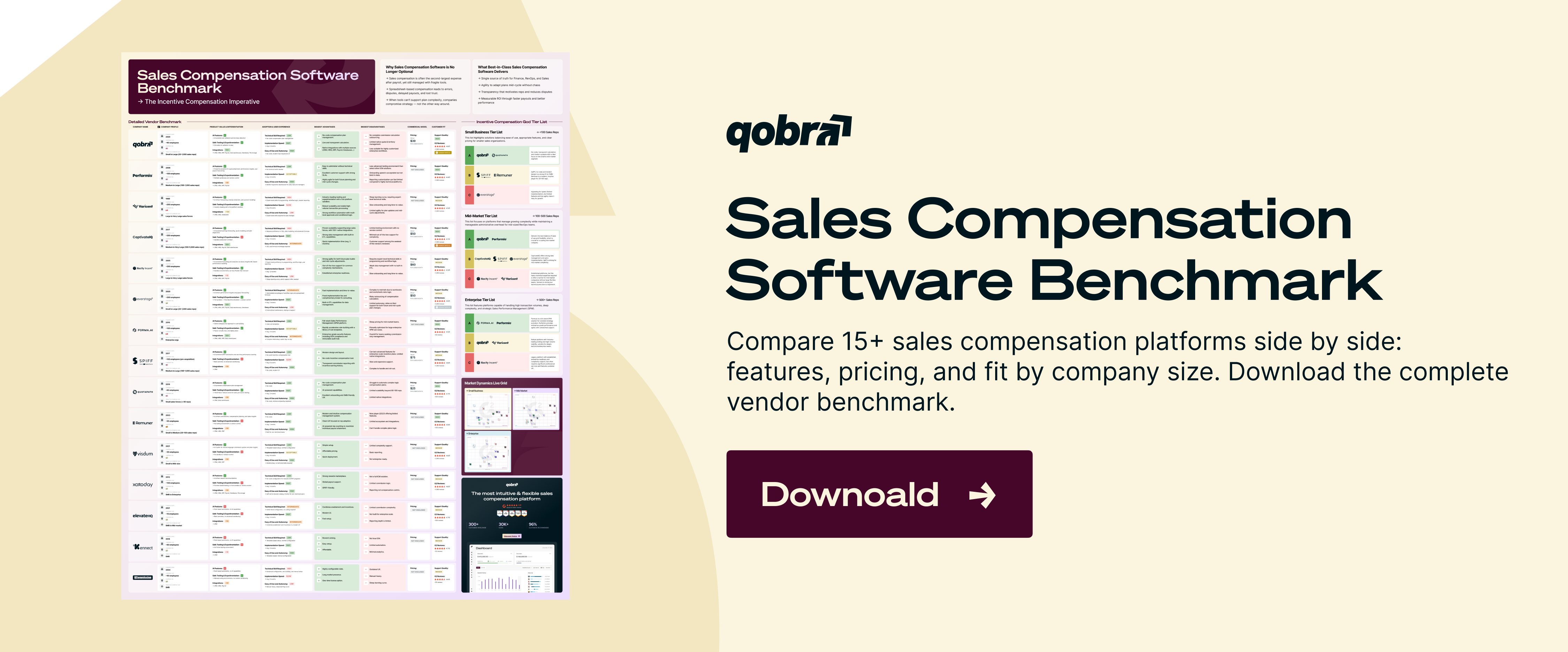
Feature Comparison Table
Migration Roadmap: Moving From Xactly to a Modern Platform
Switching from Xactly does not have to be a rip-and-replace event. A phased migration reduces risk and lets you validate the new platform before cutting over entirely.
Phase 1 — Audit and Document (Weeks 1-2)
- Export your current plan documentation. Capture every active compensation plan, crediting rule, quota structure, and exception. If your plans live only in Xactly's configuration layer, work with your admin team (or Xactly PS) to extract human-readable documentation.
- Map data sources. Identify every system feeding data into Xactly — CRM, ERP, HRIS, billing — and document the fields, sync frequency, and transformation logic.
- Catalog integrations and downstream consumers. Note which systems consume Xactly outputs (payroll, GL, reporting) and what format they expect.
Phase 2 — Evaluate and Select (Weeks 3-5)
- Define your requirements matrix. Weight the criteria from the "What Matters When Replacing Enterprise ICM" section above based on your organization's priorities.
- Run structured demos. Ask each vendor to configure a demo using your actual compensation plans — not a generic template. Qobra offers a demo experience tailored to your own plans, which sets a useful benchmark for what "self-service" should look like.
- Calculate three-year TCO. Include license, implementation, professional services, integration, and internal admin time for each finalist.
Phase 3 — Parallel Run (Weeks 6-10)
- Configure your plans in the new platform. With a modern no-code platform, your Operations team should be able to build and test plans without outside help. Track how long this takes — it is a leading indicator of ongoing ownership cost.
- Run parallel calculations. Process at least one full commission cycle in both Xactly and the new platform. Compare results at the payee level and investigate every variance.
- Validate reporting and integrations. Confirm that Finance gets the accrual, forecast, and audit data they need, and that downstream systems (payroll, GL) receive correctly formatted outputs.
Phase 4 — Cutover and Decommission (Weeks 11-14)
- Communicate the switch. Brief Sales, Finance, and Operations on the new platform, the timeline, and where to get help.
- Go live on the new platform. Process the next commission cycle exclusively in the new system.
- Decommission Xactly. Archive historical data, terminate integrations, and wind down the contract.
Frequently Asked Questions
What Is the Biggest Risk When Migrating From Xactly?
The biggest risk is undocumented plan logic. Over time, Xactly implementations accumulate exceptions, manual overrides, and custom rules that may not be captured in formal documentation. Before migrating, invest time in a thorough plan audit to ensure every rule is documented and validated against actual payout data.
How Long Does It Take to Replace Xactly?
Timelines vary by platform and plan complexity. Modern no-code platforms can be live in weeks — Qobra, for example, supports in-house implementation without professional services. Legacy-style replacements (Varicent, SAP, Anaplan) may take three to six months with consultant-led deployments.
Can I Migrate Historical Commission Data?
Most modern platforms support historical data imports for reporting continuity. Work with your new vendor to define the data format, granularity (summary vs. transaction-level), and retention period. Archiving Xactly data in a queryable format (data warehouse or BI tool) is a practical fallback for deep historical lookups.
Will My Sales Reps Actually Use the New Platform?
Adoption depends on the rep experience. Platforms that offer real-time earnings visibility, deal-level commission estimates, and proactive notifications (like Qobra's email alerts that explain the impact of each deal) drive significantly higher engagement than batch-calculated, admin-facing systems.
How Do I Calculate the True Cost of Staying on Xactly?
Add up your annual license, professional services spend over the last three years (including plan changes, integration updates, and ad hoc requests), internal admin time, and any middleware or ETL costs. Compare that three-year total to the all-in cost of a modern platform. For many organizations, the professional services line alone exceeds the total cost of a self-service alternative. Use a ROI calculator to model the financial impact of switching.
Xactly is one of several enterprise options — compare them all in our guide to the best commission software.