Webinar: The Biggest Release Sales Comp Has Ever Seen. Come See For Yourself (Wednesday, October 7)
Register
- Typical US tech-sales pay mixes a guaranteed base and variable commission (OTE); average base ≈ $70k–$126k while average OTE ≈ $126k–$230k (expanded ranges exist by role and seniority).
- Compensation structure is usually a 50/50 split (base + variable) and includes commissions, accelerators, bonuses and sometimes equity—understanding each component is essential to forecast real earnings.
- Earnings vary dramatically by role and experience: entry SDR/BDR OTEs often sit in the ~$60k–$105k band, AEs and Sales Engineers typically command much higher OTEs ($150k–$275k+ / $160k–$250k+), and managers/VPs sit at the top of the scale.
- To increase pay: negotiate the full OTE (quota, accelerators, caps), prioritize lucrative verticals (cybersecurity/AI/fintech), build technical/data skills and get certifications (e.g., Salesforce Admin, HubSpot, SMI).
- Operationally, insist on commission transparency and real‑time tracking (avoid error-prone spreadsheets), verify quotas are realistic and factor the risk of missed quotas (base-only income) into offer evaluation.
Considering a career in tech sales and wondering what your bank account might look like? You are not alone. Many are drawn to the tech industry by dreams of a lucrative paycheck, but the path to a high income is paved with strategy, skill, and a deep understanding of how compensation truly works. The reality is that earnings can vary dramatically, but with the right knowledge, you can position yourself for a fulfilling and financially rewarding career.
On average, a tech sales professional in the United States can expect to earn a total compensation package anywhere between $70,000 and $230,000 annually. This wide range is not arbitrary; it reflects a dynamic field where your role, experience, performance, and location all play a significant part in your final take-home pay. Understanding these variables is the first step toward negotiating a better salary, identifying growth opportunities, and planning your career trajectory.
Decoding the Tech Sales Salary Structure
Before diving into specific numbers, it is crucial to understand the components of a typical tech sales compensation plan. Unlike many other professions with a single, fixed salary, tech sales income is a blend of guaranteed pay and performance-based incentives. This combination is often referred to as On-Target Earnings (OTE).
What is OTE?
On-Target Earnings (OTE) represents your total potential compensation if you meet 100% of your sales quota for a specific period (usually a year). It is composed of two primary parts: a fixed base salary and a variable, performance-based commission. A common split is 50/50, meaning half your OTE is guaranteed, and the other half is earned by hitting your targets.
Let us break down these components:
- Base Salary: This is your guaranteed, predictable income. It is the amount you receive on each paycheck, regardless of your sales performance. The base salary typically makes up around 50% of your total OTE and provides financial stability.
- Variable Pay: This is the performance-driven portion of your compensation and is where top earners truly excel. It includes commissions, bonuses, and sometimes equity or stock options. The more you sell, the more you earn. This structure is designed to motivate sales professionals and align their goals with the company's revenue targets.
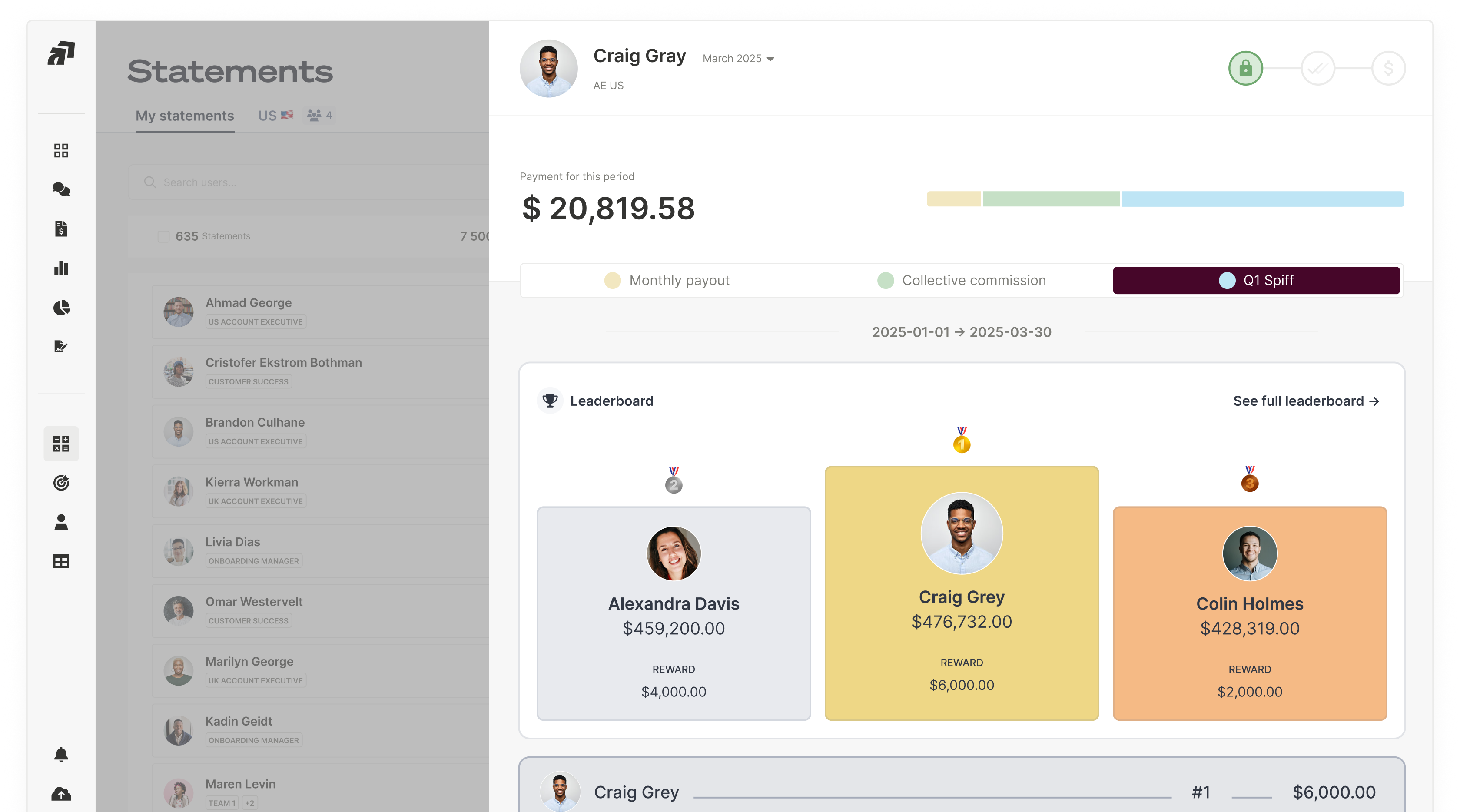
Managing these complex pay structures can be a challenge for companies, often leading to errors and a lack of transparency when handled with spreadsheets. This is why many organizations are adopting specialized software that empowers sales teams by providing real-time visibility into their earnings. Platforms like Qobra automate commission calculations, ensuring accuracy and motivating reps by showing them exactly how their performance translates into pay.
A Detailed Analysis of Tech Sales Compensation
With the structure in mind, let us explore the numbers. The average base salary for a tech sales role in the US ranges from approximately $70,000 to $126,000 per year. When you factor in variable pay, the average OTE climbs to between $126,000 and $230,000. However, these are just averages. Your specific role is one of the most significant determinants of your earning potential.
Salary Variations by Job Title
Not all tech sales roles are created equal. As responsibilities increase, so does compensation. Here is a look at typical salary ranges for common positions within a tech sales organization.
| Job Title | Average Base Salary | Average Total Compensation (OTE) Range |
|---|---|---|
| Sales Development Representative (SDR) | $58,000 | $61,000 - $100,000 |
| Business Development Representative (BDR) | $59,000 | $65,000 - $105,000 |
| Account Executive (AE) | $104,000 | $150,000 - $275,000+ |
| Account Manager | $84,000 | $110,000 - $180,000 |
| Sales Engineer | $130,000 | $160,000 - $250,000+ |
| Sales Manager | $105,000 | $180,000 - $300,000+ |
| Vice President (VP) of Sales | $207,000 | $350,000 - $450,000+ |
Sales Development Representatives (SDRs) and Business Development Representatives (BDRs) are typically entry-level roles focused on generating leads and qualifying prospects. Their compensation is lower, but these roles serve as a critical stepping stone into more lucrative positions.
Account Executives (AEs) are responsible for closing deals and managing the entire sales cycle. This role carries a much higher earning potential, with top-performing AEs at large enterprises often earning well over $300,000.
Sales Engineers are technical experts who partner with AEs to explain complex products. Their specialized knowledge commands a higher base salary and strong overall compensation.
Finally, leadership roles like Sales Manager and VP of Sales involve overseeing teams and strategy, with salaries reflecting their significant impact on the company's bottom line.
5 Key Factors That Influence Your Tech Sales Salary
Beyond your job title, several other factors can significantly impact your paycheck. Understanding these will help you navigate your career and negotiate more effectively.
1. Years of Experience
Experience is a powerful lever for increasing your income. As you develop your skills in selling, negotiating, and managing client relationships, your value to an organization grows. This progression is reflected in your compensation.
- Entry-Level (0-1 years): Professionals starting their careers can expect an average annual salary between $48,000 and $85,000.
- Early Career (1-3 years): With a few years under their belt, salespeople can see their earnings rise to the $53,000 to $95,000 range.
- Mid-Career (5-9 years): Experienced reps often command base salaries from $67,000 to $119,000, with their OTE being substantially higher.
- Senior-Level (10+ years): With a decade or more of experience, top professionals can easily demand six-figure base salaries and OTEs well into the $200,000s and $300,000s.
2. Geographic Location
Where you live and work matters. Major tech hubs like San Francisco, New York City, and Seattle offer higher salaries to compensate for a higher cost of living. While a role in a smaller city might come with a lower salary, the purchasing power could be equivalent or even greater. The rise of remote work has added complexity, but companies still often adjust pay based on location.
3. Company Size and Stage
The type of company you work for also influences pay.
- Startups: Early-stage startups may offer lower base salaries but compensate with significant equity or stock options, which could lead to a substantial payout if the company is successful.
- Mid-Sized Companies: These "scale-ups" often provide a competitive blend of base salary, commission, and some equity as they grow.
- Large Enterprises: Established tech giants (such as Salesforce, Google, or Microsoft) typically offer the highest base salaries and most structured compensation plans, along with robust benefits.
4. Industry Specialization
The specific tech niche you sell into can affect your earnings. Highly complex or regulated industries like cybersecurity, fintech, or artificial intelligence often require specialized knowledge. Sales professionals who can master these complex products are in high demand and can command premium salaries.
Expert Tip: Negotiate Your OTE, Not Just Your Base Salary
When you receive a job offer, focus on the entire On-Target Earnings (OTE) package, not just the base salary. Ask clarifying questions about the commission structure. Is the quota realistic and attainable? Are there accelerators for over-performance? A lower base salary with a generous, uncapped commission plan at a fast-growing company could be far more lucrative than a higher base with a capped, restrictive plan.
5. Education and Certifications
While a high school diploma is often sufficient for entry-level sales roles, a bachelor's or master's degree can lead to higher starting salaries, especially for more technical positions. According to data from Zippia, a sales representative with a master's degree earns nearly $30,000 more per year on average than one with only a high school diploma.
Furthermore, professional certifications can bolster your skills and make you a more attractive candidate. They demonstrate a commitment to your craft and can lead to higher pay.
- SMI Certified Sales Professional: Average salary around $69,000.
- HubSpot Inbound Certification: Average salary around $62,000.
- Salesforce Certified Administrator: Average salary around $86,000.
Maximizing Your Earnings: Commission Structures and Performance
Your variable pay is where you have the most control over your income. To maximize it, you must understand the mechanics of your commission plan. These plans are the engine of a sales organization, but their complexity can lead to confusion and disputes if not managed properly.
This is where automated commission tracking becomes a game-changer. For sales leaders, a clear system is essential for improving your revenue operations process and ensuring sales behaviors align with company goals. Tools like Qobra provide a no-code platform that allows finance and operations teams to build and manage any commission plan, no matter how complex. By seamlessly integrating with your CRM, the platform pulls deal data in real time, eliminating manual errors and saving dozens of hours each month.
For the individual representative, this transparency is incredibly motivating. Instead of waiting weeks for a spreadsheet update, you can see your commissions calculated live on a personalized dashboard. This clarity allows you to forecast your earnings, understand what it takes to hit the next accelerator, and stay focused on closing deals.
Warning: The Risk of Unattained Quotas
The high earning potential in tech sales is directly tied to performance. If you consistently miss your sales quota, you will only receive your base salary, which is just one part of your OTE. This risk is why it is crucial to evaluate a company's product, market fit, and sales culture before accepting a role. Ensure the quotas are realistic and that the company provides the training and support needed to succeed.
The path to a seven-figure income in tech sales is not a myth; however, it requires more than just a charming personality. It demands a deep understanding of compensation structures, a commitment to continuous learning, and a strategic approach to career management. By focusing on roles with high earning potential, gaining experience in lucrative niches, and mastering your company's commission plan, you can turn the aspiration of a top-tier tech sales salary into a reality. The opportunities are vast for those who are prepared to seize them.

Frequently Asked Questions
What is a typical OTE for a tech sales rep in the US?
A typical On-Target Earnings (OTE) for a tech sales professional in the US can range widely, but generally falls between $126,000 and $230,000 per year. For an entry-level Sales Development Representative (SDR), OTE might be closer to $75,000, while a senior Account Executive at a large enterprise can easily have an OTE of $300,000 or more.
How is OTE calculated in tech sales?
OTE is calculated by adding your annual base salary to your potential variable compensation (commissions) at 100% quota attainment. For example, if your base salary is $80,000 and your on-target commission is also $80,000, your OTE is $160,000. This is typically expressed with a 50/50 split.
What skills or certifications can boost my tech sales salary?
Beyond core sales skills like prospecting and closing, expertise in specific technologies or platforms can significantly increase your value. Certifications from major tech players like Salesforce (for example, Certified Administrator), HubSpot, or Amazon Web Services (AWS) are highly regarded. Additionally, skills in data analysis, understanding financial models, and mastering your company's CRM are critical for high performance and higher pay.
What is the difference between an SDR's and an AE's compensation?
The primary difference lies in responsibility and earning potential. An SDR's compensation is lower because their main role is to generate and qualify leads. Their variable pay is often tied to the number of meetings set or opportunities created. An Account Executive (AE) has a much higher OTE because they are responsible for the entire sales cycle and closing deals. Their commission is directly tied to the revenue they generate, offering a significantly higher, often uncapped, earning potential.