Webinar (Wednesday, October 21) — Aligning HR, Finance, and Sales: Mastering Sales Comp Without Breaking Your Plan
Register
- A merit bonus is a discretionary, one-time cash reward for past performance that does not increase an employee's base salary.
- It differs from merit pay (permanent salary increases), performance bonuses (forward‑looking, target‑based), and profit‑sharing (company‑wide annual payouts) by being retrospective and variable.
- Well‑designed merit bonuses boost motivation, recognize top performers, improve retention, and provide financial flexibility without permanently inflating payroll.
- Implement with clear, measurable criteria, transparent communication, manager training, and calibration sessions linked to a year‑round performance management process to prevent bias.
- Set a total bonus pool (e.g., % of payroll), use a merit matrix combining performance rating and compa‑ratio, calculate payouts with Base Salary × Bonus %, and review results to correct equity gaps.
How do you reward exceptional employee performance without permanently inflating your payroll? While salary increases are a traditional method, they create a recurring fixed cost. A more flexible and targeted approach is the merit bonus, a powerful tool for recognizing outstanding contributions and fostering a culture of excellence.
A merit bonus is a one-time financial reward given to an employee based on their past achievements and performance. Unlike a salary raise, it doesn't become a permanent part of their base pay. This guide provides a comprehensive look at how merit bonuses work, how they differ from other forms of compensation, and how you can implement a fair and effective program in your organization.
What Exactly Is a Merit Bonus?
A merit bonus is a discretionary financial incentive awarded to an individual in recognition of their exceptional contributions over a specific period. It is a backward-looking reward, directly tied to past performance that has been formally evaluated. The core purpose is to acknowledge and celebrate employees who have significantly surpassed their goals, demonstrated outstanding skills, or made a remarkable impact on the business.
The concept is rooted in early 20th-century behavioral psychology, which established a clear link between incentives and actions. By the 1990s, companies widely adopted this performance-based approach to compensation as a way to differentiate rewards based on individual achievement rather than just seniority or cost-of-living adjustments.
Today, a well-designed merit bonus program serves multiple functions:
- Recognition: It sends a clear message that hard work and excellence are noticed and valued.
- Motivation: It acts as a powerful incentive for employees to consistently strive for high performance.
- Reinforcement: It reinforces the specific behaviors and outcomes that the organization wants to encourage.
Merit Bonus vs. Other Compensation: A Clear Comparison
The terminology around compensation can be confusing. "Bonus," "merit pay," and "incentive" are often used interchangeably, but they represent distinct concepts. Understanding these differences is crucial for designing a coherent and effective reward strategy.
The main distinction lies in whether the reward is permanent, how it's calculated, and what it’s intended to drive. While all are forms of remuneration, their impact on employee motivation and company finances varies significantly.
Here’s a breakdown of the key differences:
| Compensation Type | Definition | Nature | Basis for Award | Impact on Payroll |
|---|---|---|---|---|
| Merit Bonus | A one-time, lump-sum payment for past performance. | Discretionary, backward-looking. | Individual achievements, performance review ratings. | One-time variable cost. Does not increase base salary. |
| Salary Increase (Merit Pay) | A permanent increase to an employee's base salary. | Permanent, compounding. | Individual performance, often tied to annual reviews. | Permanent increase in fixed costs (salary, benefits). |
| Performance Bonus | A bonus tied to achieving specific, pre-defined goals (MBOs, KPIs). | Often contractual, forward-looking. | Achievement of specific, measurable targets (individual, team, or company). | Variable cost, often calculated by a set formula. |
| Annual Bonus (Profit Sharing) | A bonus typically tied to the overall performance of the company. | Variable, often company-wide. | Company profitability, revenue targets, or other corporate metrics. | Variable cost, shared across eligible employees. |
A simple way to think about it: a merit bonus says "Thank you for the great work you did last year." A salary increase says "We value your ongoing contributions and are investing in your future with us." A performance bonus says "If you achieve this specific target, you will receive this specific reward."
The Key Benefits of a Merit Bonus Program
When implemented correctly, merit bonuses offer significant advantages for both employees and employers. They create a direct link between effort and reward, fostering an environment where high achievers are motivated to stay and excel.
Driving Motivation and Engagement
The most immediate benefit is the boost in employee motivation. A tangible reward for outstanding work validates an employee's efforts in a way that verbal praise alone cannot. This recognition ignites ambition, encouraging individuals to surpass their own limits and consistently strive for excellence. It transforms compensation from a simple transaction into a dynamic tool for engagement, helping to drive motivation within your teams and align their efforts with strategic goals.
Enhancing Employee Retention
High-performing employees want to feel that their contributions are seen and valued. A merit bonus is a clear signal that their impact is recognized. In a competitive talent market, this kind of acknowledgment can be a deciding factor in an employee's decision to stay with a company. By rewarding top talent, organizations can improve retention rates and reduce the high costs associated with employee turnover.
Promoting a High-Performance Culture
Merit bonus programs send a powerful cultural message: performance matters. By differentiating rewards based on achievement, the company demonstrates its commitment to excellence. This fosters a healthy sense of competition and encourages all employees to elevate their performance. It helps build a workplace where success is not just expected but actively celebrated and rewarded.
Offering Financial Flexibility
From a financial perspective, merit bonuses are highly advantageous. Unlike salary increases, they are a one-time variable expense. This allows the company to reward employees generously in good years without committing to permanently higher fixed payroll costs. This flexibility is crucial for managing budgets effectively, especially in industries with fluctuating revenues.
Navigating the Challenges and Pitfalls
Despite their benefits, merit bonus programs are not without risks. If poorly designed or managed, they can lead to demotivation, perceived unfairness, and even unhealthy competition. Awareness of these potential pitfalls is the first step toward mitigating them.
The Risk of Bias and Favoritism
One of the most significant challenges is subjectivity. If performance criteria are vague or undefined, bonus distribution can be influenced by unconscious bias or personal preferences from managers. This leads to perceptions of unfairness and can erode trust in the leadership team. It is essential to base evaluations on objective, standardized criteria that are clearly communicated to everyone.
Potential for Demotivation
Ironically, a program designed to motivate can have the opposite effect. Employees who do not receive a bonus—or receive one they perceive as small—may feel overlooked and undervalued. This is especially true if the decision-making process is opaque. Without clear communication about why and how decisions were made, feelings of resentment can fester and damage morale.
Discouraging Teamwork
A strong focus on individual merit can sometimes undermine collaboration. If employees feel they are competing against their colleagues for a limited bonus pool, they may prioritize personal achievements over team success. To counteract this, it's important to also recognize and reward collaborative efforts and team-based accomplishments.
Administrative Burden
Managing a merit bonus program can be a complex and time-consuming process for HR teams and managers. Evaluating performance, calibrating ratings across departments, calculating payouts, and communicating decisions require significant resources. For complex rewards systems, manual processes using spreadsheets are prone to errors and lack the necessary transparency.
Expert Tip: Automate Complex Calculations for Fairness and Efficiency
While a merit matrix in a spreadsheet can work for simple annual bonuses, managing performance-based rewards for teams with transactional goals, like sales, requires more power. Complex rules, real-time data from a CRM, and the need for immediate visibility for reps are best handled by dedicated platforms. For instance, a solution like Qobra automates complex commission calculations, ensuring accuracy and transparency, which are key principles of any merit-based system.
How to Calculate a Merit Bonus: A Step-by-Step Guide
Calculating a merit bonus requires a structured approach that balances performance, budget, and internal equity. While there is no universal formula, most companies follow a process that involves a budget, performance ratings, and a merit matrix.
- Establish a Budget: The process starts with determining the total bonus pool. This is typically set as a percentage of the company's total payroll (e.g., 2-5%). This budget ensures that the program is financially sustainable.
- Define Performance Criteria: The foundation of any merit-based system is a robust performance management process. Employees should be rated against clear, pre-defined goals and competencies. Common rating scales include categories like "Needs Improvement," "Meets Expectations," and "Exceeds Expectations."
- Use a Merit Matrix: A merit matrix is a simple tool that helps managers allocate bonuses consistently. It plots an employee's performance rating against their position in their salary range (often called a "compa-ratio"). This ensures that top performers who are lower in their pay band receive a proportionally larger bonus, helping to bring their compensation to a more competitive level.
Example Merit Matrix (Bonus Percentage of Salary):
| Performance Rating | Low in Salary Range | Mid in Salary Range | High in Salary Range |
|---|---|---|---|
| Exceeds Expectations | 5% - 7% | 4% - 6% | 3% - 5% |
| Meets Expectations | 3% - 4% | 2% - 3% | 1% - 2% |
| Needs Improvement | 0% | 0% | 0% |
Employee's Base Salary x Merit Bonus Percentage = Merit Bonus Amount
For example, an employee with a salary of $60,000 who "Exceeds Expectations" and is in the middle of their salary range might receive a 5% bonus: $60,000 x 0.05 = $3,000.
Implementing a Fair and Effective Merit Bonus Program
A successful merit bonus program is built on a foundation of clear objectives, transparent processes, and consistent execution. Rushing implementation without careful planning is a recipe for failure.
Step 1: Define Clear and Measurable Objectives
Before launching the program, define what "outstanding performance" means in your organization. These criteria should be directly linked to business goals and consist of measurable key performance indicators (KPIs). Vague goals like "be a team player" are difficult to measure and open to bias.
Step 2: Ensure Transparency and Communication
Communication is paramount. From the outset, explain the purpose of the program, the eligibility criteria, the evaluation process, and the potential reward structure. When bonuses are awarded, managers should be equipped to explain the "why" behind the amount, linking it directly to the employee's specific accomplishments. Building a culture of transparency prevents misunderstandings and builds trust.
Step 3: Train Your Managers
Your managers are the gatekeepers of the program's fairness. They must be trained on how to conduct objective performance evaluations, avoid common biases (like recency or halo effects), and hold constructive conversations about compensation. Calibration sessions, where managers discuss ratings as a group, can help ensure consistency across the organization.
Step 4: Link to a Robust Performance Management System
Merit bonuses should not be an isolated event. They must be the logical outcome of a year-round performance management cycle that includes goal setting, regular check-ins, and a formal annual review. This ensures that decisions are based on a comprehensive and well-documented assessment of an employee's contributions.
From Theory to Practice: A Real-World Example
A software company wants to reward a senior developer who played a pivotal role in fixing a critical bug that was impacting major customers. Her annual salary is $90,000. Her performance review rating is "Exceeds Expectations," and the merit matrix suggests a 6% bonus for her role and performance.
Calculation: $90,000 x 6% = $5,400.
During the conversation, her manager highlights not just the technical fix but also her leadership during the crisis, her communication with the support team, and the positive feedback from customers. This ties the financial reward to specific, high-impact behaviors the company wants to encourage.
Step 5: Review and Iterate
No program is perfect from the start. After each bonus cycle, gather feedback from employees and managers. Analyze data to assess the program's impact. Did it improve retention among top performers? Did employees find the process fair? Use these insights to refine and improve your program for the following year. Successful reward systems, much like effective sales compensation plans, evolve with the business.
A merit bonus is more than just extra cash; it's a strategic tool for shaping culture and driving results. When designed with fairness, transparency, and clear objectives, it can transform your approach to compensation, creating a virtuous cycle where exceptional performance is consistently recognized and rewarded. By doing so, you build a workplace where employees feel valued and are motivated to contribute their very best work.
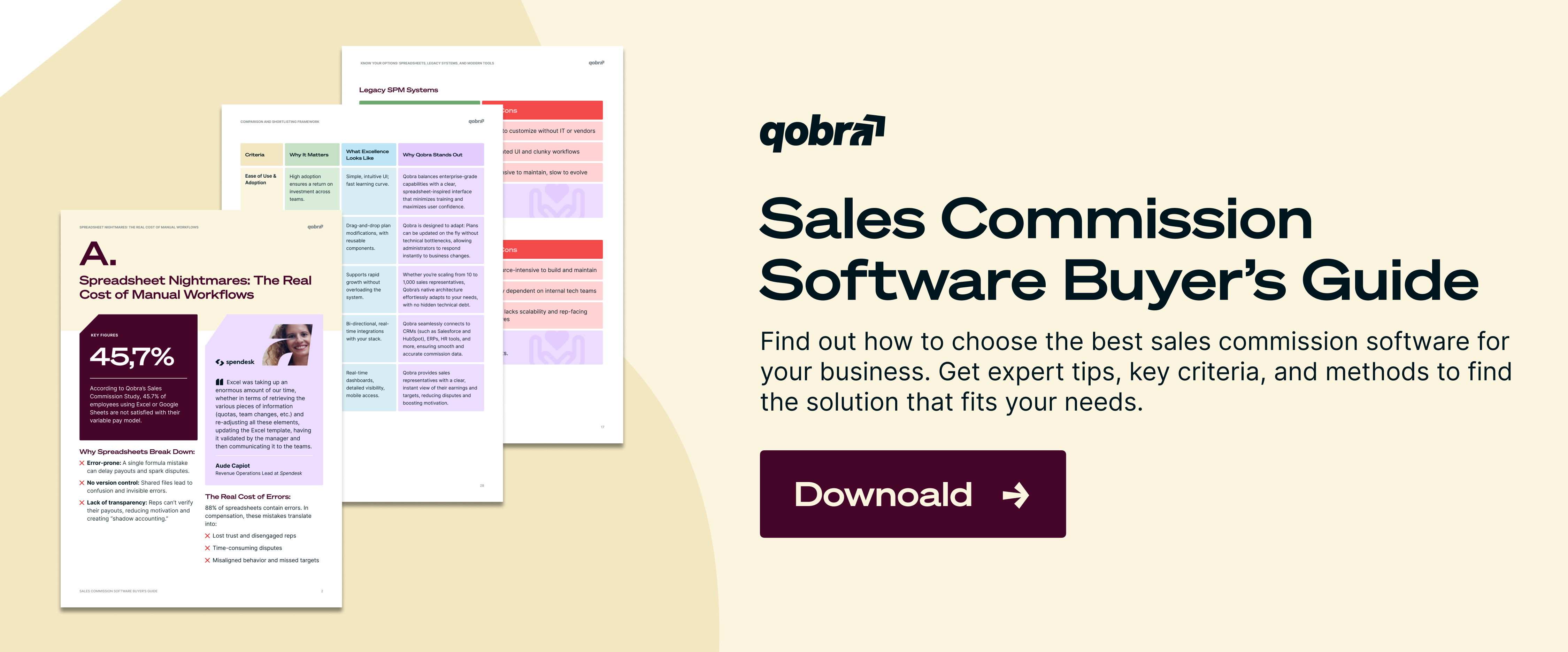
Calibration sessions decide the merit percentages; something still has to apply them, track them and prove them months later. Sales incentive management software keeps that audit trail, which matters when an employee contests a rating.
Frequently Asked Questions (FAQ)
What is the difference between a merit bonus and a merit increase?
A merit bonus is a one-time, lump-sum payment based on past performance that does not affect base salary. A merit increase (or merit pay) is a permanent raise added to an employee's base salary, increasing their fixed compensation and compounding over time.
Are merit bonuses always paid in cash?
While typically paid in cash, some companies may offer non-monetary rewards like stock options or extra paid time off as part of a merit-based recognition program. However, the term "merit bonus" almost always refers to a financial payment.
How often are merit bonuses awarded?
Merit bonuses are most commonly awarded annually, following a formal year-end performance review cycle. Some companies may award them on a semi-annual or quarterly basis for specific achievements or project milestones.
Can a merit bonus program backfire?
Yes. If the process is perceived as unfair, biased, or lacks transparency, it can lead to demotivation, decreased morale, and unhealthy competition among employees. Clear communication and objective criteria are essential to prevent this.
How can we ensure our merit bonus system is fair?
To ensure fairness, base bonus decisions on clear, objective, and measurable performance criteria. Train managers to mitigate unconscious bias, conduct calibration sessions to ensure consistency, and communicate the process and rationale transparently to all employees. Regularly reviewing the outcomes for any demographic disparities is also a critical best practice.