Sales Compensation Software Benchmark | Compare 15+ Sales Compensation Platforms
Download
Are your employees truly motivated, or just showing up for the paycheck? How do you transform compensation from a routine expense into a powerful driver of performance and engagement? Designing the right incentive structure is one of the most strategic decisions a company can make, yet many struggle to move beyond standard annual raises. A well-crafted bonus plan can align individual efforts with company goals, foster a culture of recognition, and give you a significant edge in a competitive talent market.
But where do you even begin? With so many options available, from profit sharing and performance bonuses to spot rewards and non-monetary perks, choosing the right mix can feel overwhelming. The key is to build a system that is clear, fair, and genuinely motivating for your team.
Why Employee Incentive Programs Matter More Than Ever
In today's competitive landscape, employee incentive programs are not just a "nice-to-have"; they are a strategic necessity. Employee disengagement is a major concern for businesses, leading to high turnover, reduced productivity, and a direct hit to the bottom line. Unhappy employees can cost the U.S. economy a staggering $1.9 billion annually. This is where well-designed incentive plans step in to bridge the gap between employee effort and company success.
Appreciation drives action. When employees see a clear and consistent link between their hard work and a meaningful reward, they are intrinsically motivated to repeat those positive behaviors. According to the Achievers Workforce Institute, nearly 70% of employees state that rewards are a significant motivating factor at work. These programs fuel connection, loyalty, and long-term engagement by making work feel genuinely worthwhile. Companies that embrace strategic incentives in business don't just reward completed tasks, they cultivate a culture where excellence is the norm.
The Core Types of Employee Bonus Programs
Employee bonus structures come in various forms, each designed to motivate different behaviors and achieve specific business objectives. While some are tied directly to financial metrics, others focus on recognition, retention, or cultural contributions. Understanding these different types is the first step toward building a comprehensive and effective incentive strategy.
Performance-Based Bonuses
These are perhaps the most well-known types of incentives, directly linking compensation to measurable outcomes. They are powerful tools for driving specific results and aligning employee actions with key business targets.
- Profit-Sharing Bonuses: With a profit sharing bonus, a portion of the company's profits is distributed among eligible employees. This model gives everyone a direct stake in the company's success, fostering a sense of ownership and encouraging a collective focus on efficiency and growth. The distribution is typically calculated using a predetermined formula, often based on an employee's salary or tenure.
- Goal-Based Bonuses: These bonuses are awarded when an individual or team achieves a specific, predetermined objective (SMART goals: Specific, Measurable, Achievable, Relevant, Time-bound). This could be completing a project ahead of schedule, launching a new product feature, or hitting a departmental KPI. Goal-based bonuses are excellent for focusing efforts on critical short-term or long-term initiatives.
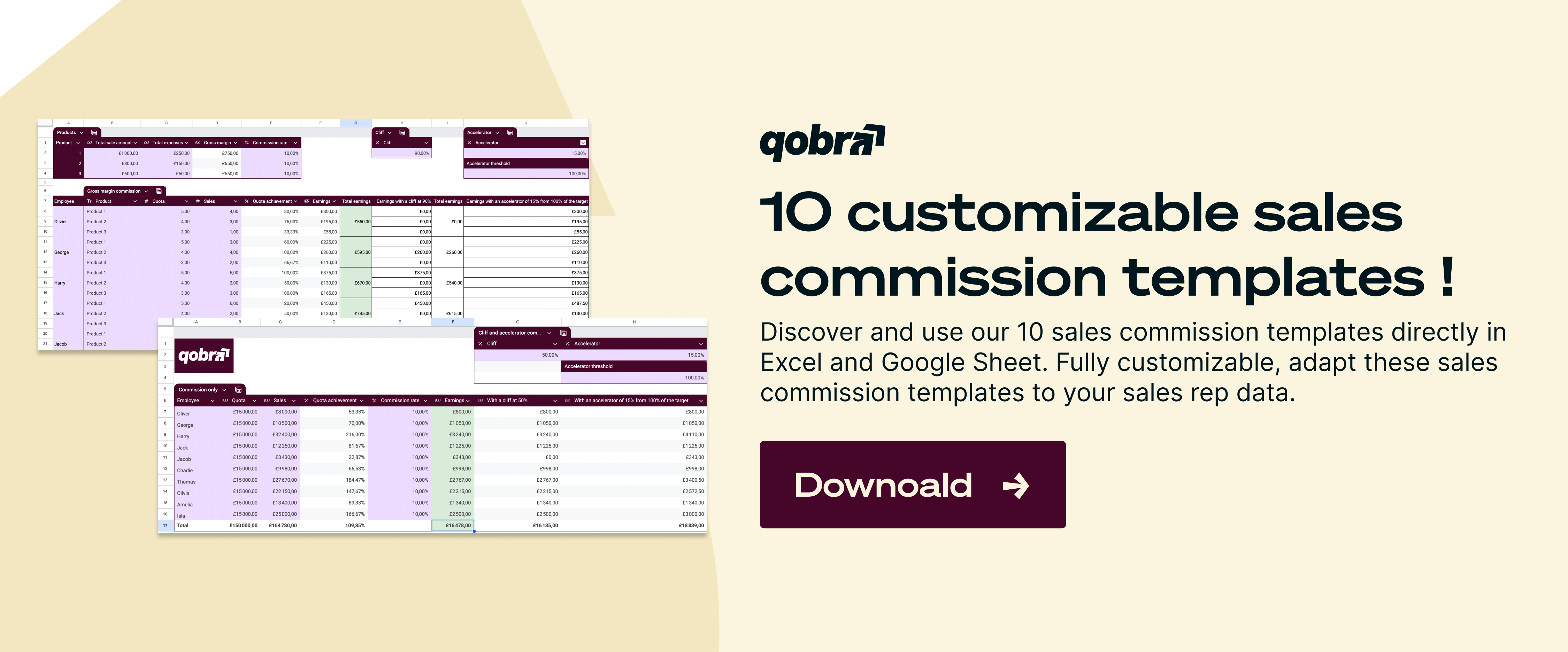
- Sales Commissions: A cornerstone for sales teams, commissions directly reward representatives for the revenue they generate. These can be structured as a percentage of a deal, a flat rate, or a tiered system that pays more as sales targets are surpassed. For businesses with complex B2B sales commission plans, manual tracking on spreadsheets is often inefficient and prone to errors. This can lead to disputes and demotivate top performers.
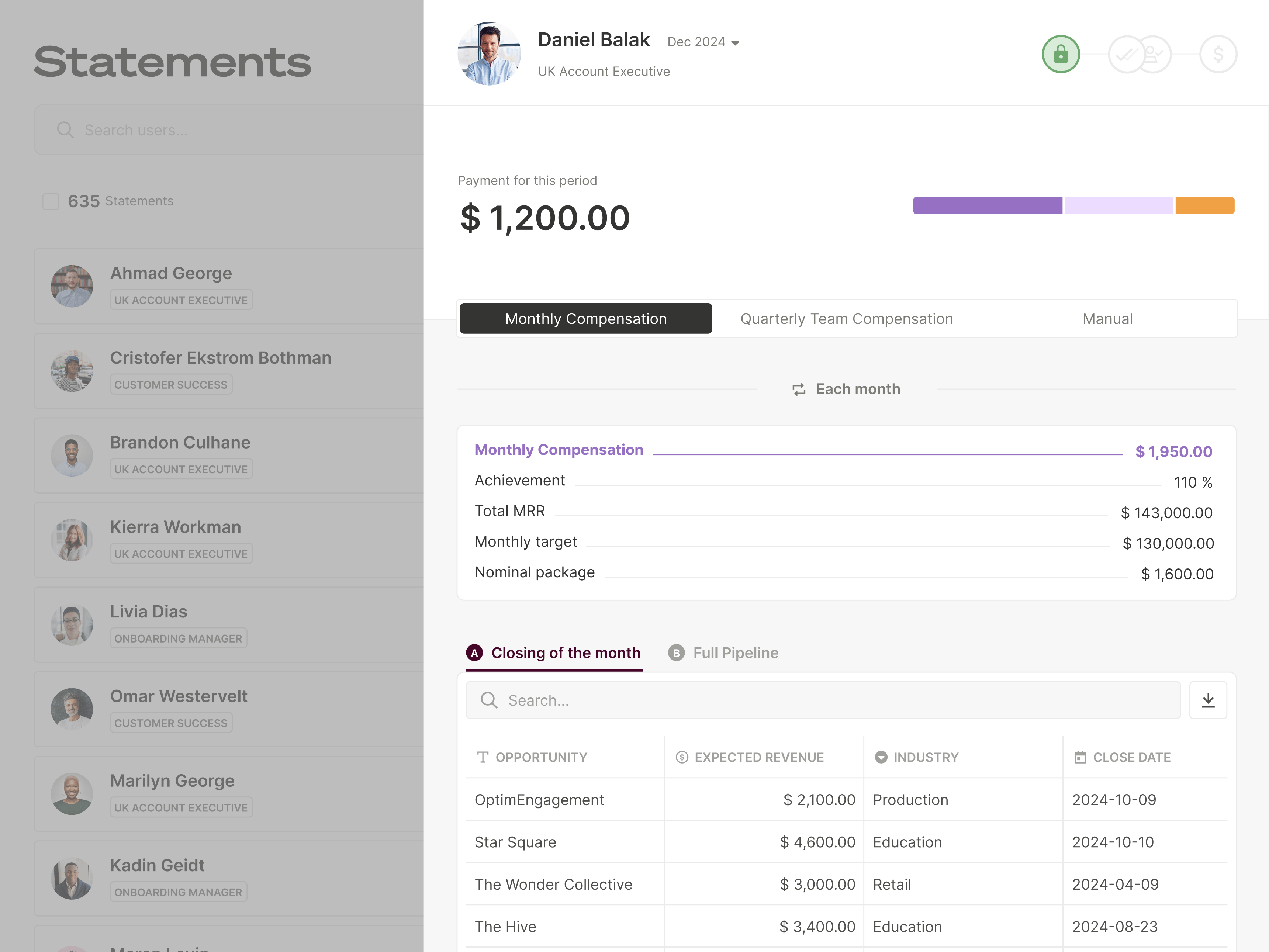
A modern sales compensation platform automates this entire process. A solution like Qobra integrates directly with your CRM like Salesforce or HubSpot, syncs its data automatically throughout the day, and calculates commissions from that data. This provides sales reps with clear visibility into their earnings, eliminates calculation errors, and gives finance and operations teams a clear, auditable trail for every payment.
Recognition and Spontaneous Rewards
Not all valuable contributions can be planned for. Recognition-based bonuses reward employees for exceptional work, positive attitudes, and embodying company values in real-time, creating a culture of appreciation.
- Spot Bonuses: These are spontaneous, "on-the-spot" rewards given for outstanding performance that goes above and beyond an employee's regular duties. A spot bonus could be a cash reward, a gift card, or an extra day of paid time off given immediately after an employee handles a difficult client situation with exceptional grace or develops an innovative shortcut that saves the team hours of work. Their immediacy makes them highly effective reinforcement tools.
- Peer-to-Peer Recognition: These programs empower employees to recognize each other's contributions. Often managed through a platform where employees have a certain number of "points" or "kudos" to award colleagues each month, this system fosters collaboration and team spirit. When peers acknowledge hard work, it builds a stronger, more supportive workplace culture from the ground up.
- Non-Monetary Bonuses: Not every reward needs to be financial. In fact, many employees are highly motivated by non-monetary compensation monetary compensation perks. These can range from flexible work schedules and extra vacation days to professional development opportunities, wellness programs, or desirable project assignments. Offering a variety of non-cash incentives caters to a diverse workforce with different personal and professional priorities.
Talent Management and Long-Term Incentives
These bonuses are strategically designed to attract, retain, and develop top talent, ensuring the company has the skilled workforce it needs to thrive in the long run.
- Signing Bonuses: Offered to new hires, a signing bonus is a one-time payment used to make a job offer more attractive, especially in competitive markets or for hard-to-fill roles. It helps secure top talent by sweetening the initial compensation package and can help offset any bonuses the candidate may be forfeiting by leaving their previous employer.
- Referral Bonuses: These bonuses reward current employees for referring qualified candidates who are subsequently hired. Employee referral programs are a cost-effective recruitment tool that often yields high-quality hires who are a better cultural fit and tend to stay with the company longer.
- Retention Bonuses: A retention bonus is a one-time payment offered to a key employee as an incentive to stay with the company through a critical period, such as a merger, a major project, or an organizational restructuring. It is a targeted tool used to prevent the loss of essential knowledge and skills at a vulnerable time.
| Bonus Type | Primary Goal | Frequency | Typical Format |
|---|---|---|---|
| Sales Commission | Drive Revenue | Per Deal / Monthly | Percentage of Sales |
| Profit Sharing | Align with Company Success | Annually / Quarterly | Cash or Stock |
| Spot Bonus | Reward Immediate Excellence | Spontaneous | Cash, Gift Card, PTO |
| Retention Bonus | Keep Key Talent | One-Time / Milestone | Lump Sum Payment |
How to Design an Effective Bonus Program: Best Practices
Implementing a bonus program is more than just deciding on rewards; it requires a strategic approach to ensure the program is fair, motivating, and aligned with your business objectives. A poorly designed plan can backfire, causing confusion, resentment, and even demotivation.
Set Clear and Achievable Goals
The foundation of any successful incentive program is clarity. Employees must understand exactly what they need to do to earn a bonus. Vague goals like "work harder" or "improve performance" are ineffective. Instead, use the SMART framework to define your objectives:
- Specific: Clearly define the outcome. Instead of "increase sales," use "increase Q3 sales of Product X by 15%."
- Measurable: Use quantifiable metrics to track progress. This removes subjectivity and ensures fairness.
- Achievable: Goals should be challenging but realistic. Setting impossible targets will only discourage your team.
- Relevant: Ensure the goal directly contributes to the broader objectives of the team and the company.
- Time-bound: Set a clear deadline for achieving the goal.
💡 Expert Tip
Involve employees or team leads in the goal-setting process. When people have a say in defining their targets, they feel a greater sense of ownership and are more committed to achieving them. This collaborative approach also helps ensure the goals are realistic and well-understood by everyone involved.
Ensure Transparency and Fairness
For a bonus program to be motivating, employees must trust that it is fair. This trust is built on transparency in both the rules and the execution of the plan. Everyone should have access to the same information regarding eligibility, performance metrics, and potential payouts.
This is particularly critical for sales commissions, where complex calculations can create confusion. Manual processes are not only time-consuming but also a breeding ground for disputes. Automating commission calculations eliminates human error and provides a single source of truth. With a platform like Qobra, every stakeholder, from the sales rep to the finance director, can see the data behind each calculation, track progress in real-time, and access a complete audit trail. This level of what is pay transparency builds trust and allows salespeople to focus on selling instead of shadow accounting.
Personalize and Diversify Your Incentives
A "one-size-fits-all" approach to rewards rarely works. Different employees are motivated by different things. A recent graduate might be highly motivated by a cash bonus to pay off student loans, while a working parent might value extra paid time off or a flexible schedule more. A high-performing employee may be most interested in opportunities for professional development or tuition reimbursement.
To maximize engagement, offer a variety of rewards. Conduct anonymous surveys to ask employees what they truly value. By understanding their needs and preferences, you can create a more personalized and impactful incentive program. A mix of monetary bonuses, recognition awards, wellness benefits, and development opportunities will appeal to a broader range of employees and show that you care about them as individuals.
Common Pitfalls to Avoid in Your Incentive Plan Design
Even with the best intentions, bonus programs can fail if not implemented carefully. Being aware of common mistakes can help you design a plan that truly motivates and retains your team.
One of the biggest errors is launching a plan without employee input. If the rewards you offer don't align with what your team actually wants, the program will fall flat. Similarly, a lack of consistent communication can doom a program from the start. If employees don't understand the rules or forget the program exists, it won't influence their behavior. It's crucial to promote the plan at launch and provide regular updates on progress.
🔑 A Key Consideration
Flexibility is essential. Business needs change, and your bonus program should be able to adapt. What worked last year might not be relevant today. Regularly review your incentive plans, at least annually, to ensure they are still aligned with your company's strategic goals and the evolving needs of your workforce. Be prepared to adjust benchmarks, rewards, or even the entire structure to keep the program effective.
Another significant pitfall is the potential for perceived favoritism, especially with discretionary or spot bonuses. While these are great for spontaneous recognition, managers must be careful to distribute them equitably based on clear contributions. Without objective criteria, these bonuses can create resentment among team members who feel overlooked. Documenting the reason for each spot bonus helps maintain fairness and transparency.
🚨 Warning
Be mindful of legal and ethical compliance. Certain bonus structures, if not carefully designed, can lead to unintended consequences. For example, an attendance bonus program could be seen as discriminatory if it doesn't account for legally protected absences, such as those covered by disability or family medical leave laws. Always consult with HR and legal experts to ensure your program is fair, compliant, and inclusive for all employees.
A well-designed bonus program is one of the most powerful strategic tools a company can deploy. By moving beyond a simple paycheck and creating a dynamic system of rewards and recognition, you can align your team around shared goals, foster a culture of high performance, and build a workplace where employees feel genuinely valued. Whether through performance-based payouts, spontaneous recognition, or long-term growth opportunities, the right incentives make a clear statement: your contribution matters, and your success is our success.
Frequently Asked Questions
What is a good bonus structure?
A good bonus structure is one that is directly aligned with business objectives and genuinely motivates employees. It should be clear, transparent, and fair, with achievable goals and rewards that employees value. The best structures often combine different types of incentive compensation, such as performance-based bonuses for hitting specific targets and recognition awards for outstanding contributions.
What are the most common types of employee incentives?
The most common examples include performance bonuses (tied to individual, team, or company goals), sales commissions, profit sharing, and annual bonuses. Non-monetary incentives are also very popular, such as additional paid time off, flexible work schedules, professional development opportunities, wellness programs, and peer-to-peer recognition awards.
How do you ensure fairness in a bonus program?
Fairness is achieved through transparency and objectivity. First, clearly communicate the rules of the program to all eligible employees, including the specific metrics used and how payouts are calculated. Second, base rewards on measurable, objective data rather than subjective opinions. For complex variable pay like sales commissions, using an automated platform ensures calculations are accurate and consistent for everyone, eliminating bias and building trust in the system.

At scale, employee bonus programs are administered through an incentive management system.