Webinar: The Biggest Release Sales Comp Has Ever Seen. Come See For Yourself (Wednesday, October 7)
Register
Are you a natural seller with an entrepreneurial drive? Do you dream of unlimited earning potential, free from the constraints of a traditional salary? A commission-based sales role might be your next big move. But what does this path truly entail? How do you separate the high-upside opportunities from the dead-end scams, and what does it take to not only survive but thrive when your income is tied directly to your performance?
This guide will walk you through the pros and cons of commission-only sales jobs, help you determine if this career is the right fit for you, and provide actionable tips for achieving success.
What Exactly is a Commission-Based Sales Job?
At its core, a commission-based sales role is a position where your compensation is derived partially or entirely from the sales you generate. While many sales jobs include a commission component on top of a base salary, we're focusing on roles where commission makes up the vast majority, if not 100%, of your income. These are often referred to as "commission-only" or "performance-based" sales opportunities.
It's crucial to understand that most 100% commission roles operate on a contractor basis. You aren't a traditional employee; you're a self-employed sales professional partnering with a company. This relationship is fundamentally different from a salaried job. Think of yourself as the CEO of your own sales business. The company (often called the "Principal") provides the product or service, and you provide the sales expertise to bring it to market. You aren't paid for your time, but for the results you deliver.
This model allows independent agents to represent multiple non-competing product lines, building a diverse portfolio that suits their network and expertise. They typically work from their own offices, set their own schedules, and operate with a high degree of autonomy. For companies, it's a way to expand their sales force and enter new markets without the significant overhead of salaried employees, creating a mutually beneficial partnership based purely on success.
The Allure of Commission-Only Roles: The Pros
Why would anyone choose a job without a guaranteed paycheck? For the right person, the advantages are significant and can lead to a more fulfilling and lucrative career than any salaried position could offer.
Uncapped Earning Potential
The most obvious and powerful draw is the unlimited income potential. In a commission-only role, there is no ceiling on what you can earn. Your income is a direct reflection of your skill, effort, and ability to close deals. While a salaried employee might receive a small bonus for exceeding their quota, a commission-only rep reaps the full financial reward of their hard work. This model is incredibly motivating for high-achievers who are confident in their ability to perform and want their compensation to match their contribution.
Ultimate Flexibility and Autonomy
As an independent sales representative, you are your own boss. This means you control your schedule, your work environment, and your strategy. Want to work from a home office, a coffee shop, or a beach in another country? As long as you're hitting your targets, the choice is yours. This autonomy allows you to focus your energy on what you do best selling without getting bogged down by corporate bureaucracy, mandatory meetings, or rigid 9-to-5 schedules. This freedom is a major lifestyle benefit for those who are disciplined and self-motivated.
A Gateway for Experienced Professionals
Many seasoned professionals and successful entrepreneurs find themselves at a career crossroads. They possess immense real-world experience in negotiation, persuasion, and business development but lack formal experience in a large, structured sales organization. Starting over as an entry-level Sales Development Representative (SDR) is often unappealing. Commission-only roles provide the perfect entry point. Companies are far more willing to take a chance on a candidate with a non-traditional background if they don't have to bear the risk of a salary. It's an opportunity to leverage your grit and business acumen directly, proving your worth through tangible results rather than a perfectly formatted resume.
The Other Side of the Coin: The Cons and Risks
While the upside is high, the risks are just as real. A commission-based role is not a safety net; it's a high-wire act that demands confidence, preparation, and resilience.
Income Instability and Pressure
The most significant challenge is the lack of a predictable income. No sales mean no paycheck. This can create immense pressure, especially during the initial "ramp-up" period, which can last for months. A slow quarter or a few lost deals can have a direct and immediate impact on your personal finances. This model is not suitable for those without a financial cushion to weather the inevitable ebbs and flows of sales. The pressure to close can be relentless, and it takes a strong mindset to stay positive and motivated when the pipeline is dry.
Navigating the World of Scams and Poor Opportunities
The "100% commission" world is unfortunately littered with low-quality opportunities and outright scams. Some companies use this model to build a massive, unpaid sales force to push a subpar product or service with little to no market fit. They promise the moon but offer no training, no quality leads, and no support, leading to a high churn rate of disillusioned reps. It is absolutely essential to perform thorough due diligence before committing to any commission-only opportunity.
🚨 Attention: Red Flags to Watch For
Be wary of companies that have an unstructured interview process, cannot clearly define their target customer, have no successful reps you can speak to, or pressure you to pay for expensive training upfront. A legitimate partner will invest in your success because it directly benefits them.
The Lack of Benefits and Support
As an independent contractor, you are responsible for all your own expenses and benefits. This includes:
- Health Insurance: You'll need to source and pay for your own coverage.
- Retirement Savings: There's no company 401(k) match; you must set up and fund your own retirement accounts.
- Taxes: You are responsible for paying self-employment taxes (Social Security and Medicare) on top of your regular income tax.
- Business Expenses: Tools, software, travel, and marketing materials may come out of your own pocket.
Furthermore, the level of training and ongoing support can be much lower than in a traditional corporate environment. You're expected to be a self-starter who can figure things out independently.
Is a Commission-Only Sales Role Right for You?
This career path is not for everyone. The most successful independent sales professionals typically share a common set of traits and circumstances. Ask yourself if this profile describes you:
- You are financially stable. You have several months of living expenses saved up or another source of household income. This buffer is non-negotiable. It allows you to make strategic decisions for the long term, rather than desperate moves to close any deal, no matter how bad.
- You are highly disciplined and self-motivated. No one is going to tell you to start making calls at 8 AM. Your drive must come from within. You need to be a master of time management and hold yourself accountable for your own activity and results.
- You are exceptionally resilient and gritty. Sales is a world of rejection. In a commission-only role, that rejection directly impacts your wallet. You must have the mental toughness to hear "no" a hundred times, learn from it, and come back with the same energy for the 101st call.
- You have an entrepreneurial spirit. You view yourself as a business owner, not an employee. You are constantly thinking about how to build your pipeline, nurture your network, and improve your process. You are resourceful, scrappy, and thrive on challenges.
Setting Yourself Up for Success in a Commission-Based Role
If you've decided this path is for you, success isn't about luck; it's about strategy and preparation. Taking the right steps from the beginning can make all the difference.
Due Diligence is Non-Negotiable
Treat your search for a commission-only role like an investment. You are investing your time, your most valuable asset. Before you sign anything, you must thoroughly vet the company, its products, and its market position.
- Product-Market Fit: Is there a genuine need for what they sell? Who are the competitors?
- Sales Cycle: How long does it take to close a typical deal? A six-month sales cycle means you won't see a commission check for at least that long.
- Support & Resources: What kind of training, marketing materials, and lead generation support do they provide?
- Reputation: What do current and former reps say? Check Glassdoor and ask to speak with top performers.
The Critical Role of Transparency in Commissions
In a role where your entire livelihood depends on commissions, there is zero room for error, ambiguity, or delay in payments. Disputes over payouts are one of the most common reasons reps leave a company. This is where manual tracking on spreadsheets falls apart, creating mistrust and frustration.
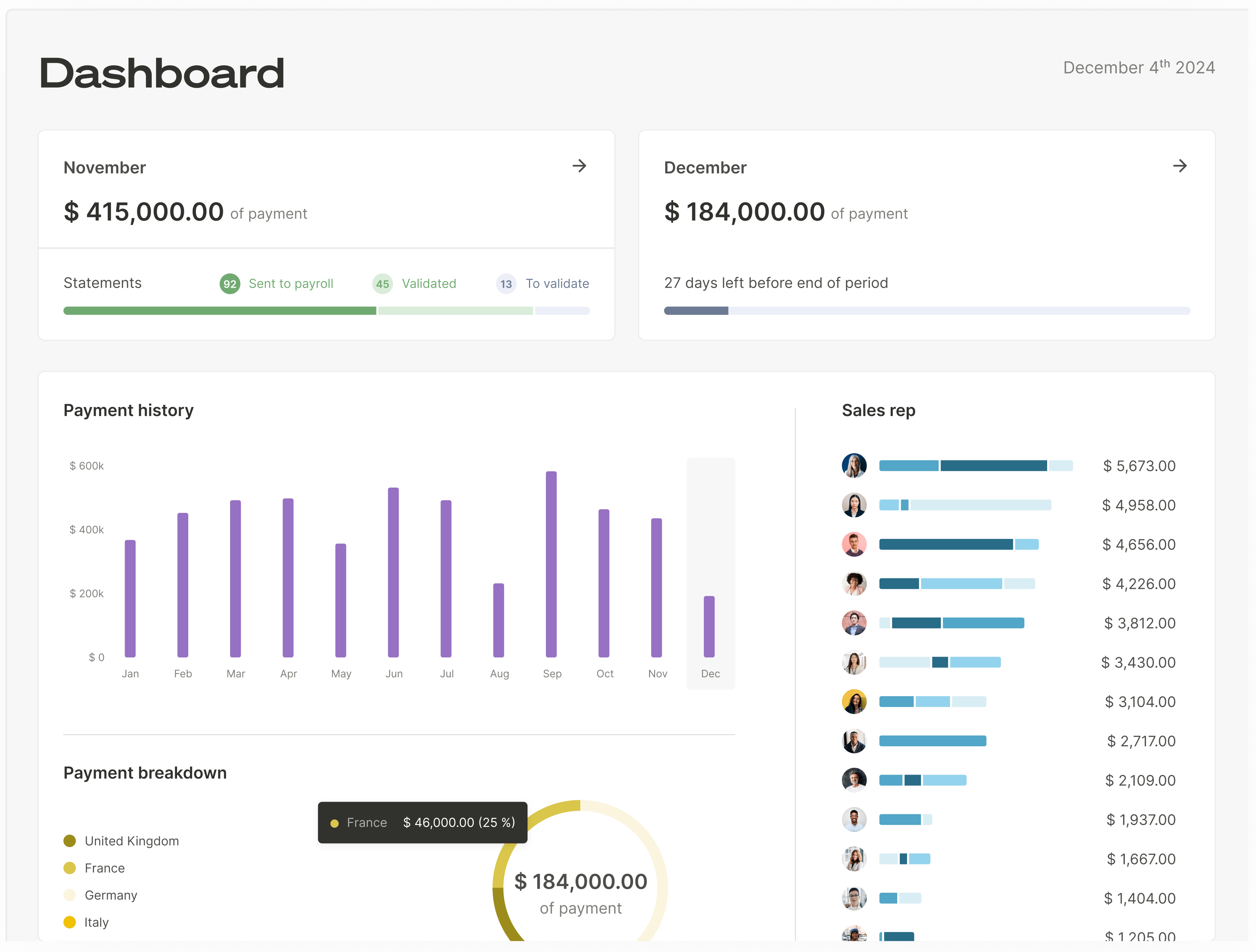
That's why having a transparent, automated system is a game-changer. At Qobra, we've built a platform that brings clarity and reliability to the entire commission process. By integrating directly with your CRM, our software automates calculations and provides real-time visibility into your earnings. When you close a deal, you see your commission update instantly. This eliminates shadow accounting, prevents disputes, and builds a foundation of trust. For a sales rep, this means you can focus 100% of your energy on your next sale, confident that you’ll receive fair compensation for your hard work.
💡 Expert Advice
Always demand a written contract that clearly outlines the commission structure, payment schedule, and terms for payment on deals post-termination. This document is your primary protection. If a company is hesitant to provide one, walk away.
Understanding Your Commission Structure
Not all commission plans are created equal. You need to understand precisely how you will be paid. Common models include:
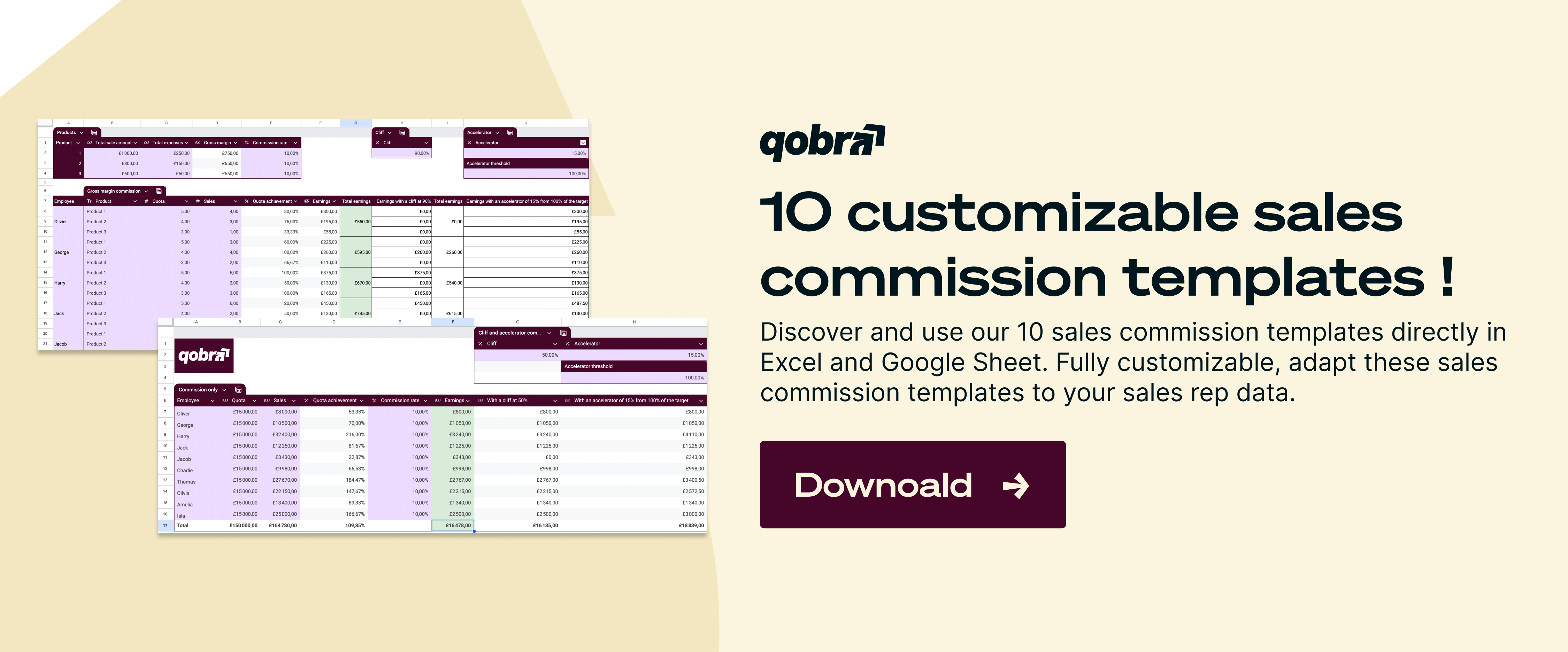
- Flat Rate per Sale: A fixed dollar amount for each unit sold.
- Percentage of Revenue: A straight percentage of the total contract value.
- Percentage of Gross Profit: Your commission is based on the profitability of the deal, which incentivizes you to maintain pricing. Learn more about a commission structure based on gross profit.
- Tiered Commissions: Your commission rate increases as you sell more.
- Recurring Commissions: You continue to earn a commission for as long as the client you signed remains a customer (common in SaaS and insurance).
Negotiate a structure that aligns with the sales process and rewards the right behaviors for long-term success.
Industries Where Commission-Based Sales are Common
You can find performance-based roles in almost any industry, but they are particularly prevalent in sectors that involve high-ticket items, long-term contracts, or direct-to-consumer sales.
| Industry | Typical Products/Services | Why It Works |
|---|---|---|
| Real Estate | Residential & Commercial Property | High transaction values allow for substantial commissions per deal. |
| Insurance | Life, Health, Property & Casualty | Often involves residual commissions, providing long-term income streams. |
| Financial Services | Investment Management, Mortgages | Compensation is directly tied to assets under management or loan origination. |
| B2B Software (SaaS) | CRM, ERP, Marketing Automation | Recurring revenue models support paying reps ongoing commissions. |
| Solar & Home Improvement | Solar Panels, Windows, Roofing | High-cost, one-time sales with significant margins. |
| Automotive Sales | New & Used Vehicles | A traditional commission environment rewarding high-volume sellers. |
| Recruiting & Staffing | Permanent & Contract Placements | Commission is a percentage of the placed candidate's salary. |
This is especially common for complex B2B sales commission structures where the sales cycle is long and requires significant expertise.
Commission-only roles represent a high-risk, high-reward career path. They offer unparalleled freedom and earning potential but demand immense discipline, financial stability, and resilience. This path is not for the faint of heart, but for the entrepreneurial-minded sales professional who is willing to bet on themselves, it can be the most challenging and rewarding journey of their professional life. Success hinges on choosing the right partner, understanding your value, and leveraging the right tools to ensure you are always compensated fairly and transparently for the results you deliver.
Frequently Asked Questions
How do commission-only jobs compare to salaried positions?
The primary difference is the trade-off between security and potential. A salaried position offers a predictable income, benefits, and a structured work environment, but with a cap on earning potential. A commission-only role offers unlimited income potential and autonomy but comes with income instability and requires you to cover your own benefits and expenses. It's a shift from being an employee to being a business owner.
What is a typical commission rate?
There is no "typical" rate, as it varies dramatically based on the industry, product margin, deal size, and sales cycle length. It could be as low as 2-5% for high-volume, low-margin products or as high as 50% or more for high-margin software, digital products, or consulting services. For recurring revenue products, a common model is a higher percentage on the initial sale and a smaller, ongoing percentage for the life of the customer.
How can I ensure I get paid accurately and on time?
First, ensure you have a crystal-clear, legally binding contract that details every aspect of your commission plan. Second, advocate for your company to use a dedicated commission management platform. Tools like Qobra remove human error by automating calculations directly from CRM data. This provides an indisputable source of truth, ensuring that you and the company are always aligned on payouts and compliance, especially regarding standards like ASC 606 commissions.
Do I have to pay my own taxes in a commission-only role?
Yes. As an independent contractor, the company will not withhold taxes from your commission checks. You are responsible for paying your own income taxes and self-employment taxes (which cover Social Security and Medicare). It is highly recommended to set aside 25-35% of every commission check for taxes and make quarterly estimated tax payments to the IRS to avoid penalties. Consult with a tax professional to understand your specific obligations.