Sales Compensation Software Benchmark | Compare 15+ Sales Compensation Platforms
Download
Is your compensation strategy truly working for you, or is it just a line item on your budget? How do you move beyond simply paying a salary to building a package that attracts top talent, motivates high performance, and retains your best people? The answer lies in understanding that compensation is far more than a paycheck; it's a strategic ecosystem of different elements working together.
Crafting a compelling compensation plan requires a deep understanding of its core building blocks. From the stability of a base salary to the motivational power of a well-structured bonus, each piece plays a vital role. Getting this mix right can be the difference between a disengaged workforce and a team of motivated owners who drive your business forward.
What Exactly is Employee Compensation?
Employee compensation encompasses every form of value an employee receives in exchange for their work. This goes far beyond the fixed amount that hits their bank account each month. It’s a holistic package that includes direct financial payments, indirect benefits that provide security, and incentives designed to drive specific behaviors and outcomes.
A strategic approach to compensation is known as a Total Rewards philosophy. This framework recognizes that employees are motivated by a combination of factors, not just cash. It balances tangible rewards like salary and bonuses with intangible benefits like a positive work culture, growth opportunities, and recognition programs.
Why is this so important? A well-designed compensation strategy is one of your most powerful business tools. It enables you to:
- Attract Top Talent: In a competitive market, a compelling package signals that you value your employees and are willing to invest in the best.
- Boost Retention: When employees feel fairly compensated and see a path for growth, they are significantly more likely to stay, reducing costly turnover.
- Drive Performance: By linking a portion of pay to individual, team, or company results, you align everyone’s efforts with key business objectives.
- Reinforce Company Values: Your compensation plan is a tangible expression of what your organization prioritizes, whether it’s long-term growth, sales excellence, or collaborative innovation.
Ultimately, your compensation plan isn't just an HR function; it's the foundation of your employee experience and a critical driver of organizational success.
The 5 Core Components of a Compensation Package
A robust compensation package is built on five essential pillars. While the specific mix will vary depending on your industry, company stage, and employee roles, understanding each component is crucial for building a strategy that resonates with your team.
1. Base Salary: The Foundation of Financial Stability
Base salary is the fixed, predictable income an employee receives for fulfilling their job responsibilities. It’s the cornerstone of any compensation plan, providing the financial security employees need to manage their personal lives. This amount is typically determined by several factors, including the role's responsibilities and complexity, the employee's experience and skill set, prevailing market rates for similar positions, and internal pay equity considerations.
For example, a marketing manager might earn a base salary of €70,000 per year, paid in consistent monthly installments. This figure remains constant regardless of campaign performance or company profits, offering a reliable income stream. While this stability is a major advantage for employees, it can also be a double-edged sword. A fixed salary doesn't inherently incentivize going above and beyond, and without regular adjustments, its value can be eroded by inflation. For employers, it represents a fixed cost that can be difficult to adjust during economic downturns.
2. Variable Pay: The Performance Driver
Variable pay includes all forms of compensation tied to performance, such as bonuses, commissions, and incentives. This is where compensation becomes a powerful tool for driving specific outcomes and aligning employee efforts with strategic goals. Unlike base salary, variable pay is not guaranteed; it must be earned by achieving predefined targets. Common forms include annual performance bonuses, sales commissions, profit-sharing plans, and spot awards for exceptional contributions.
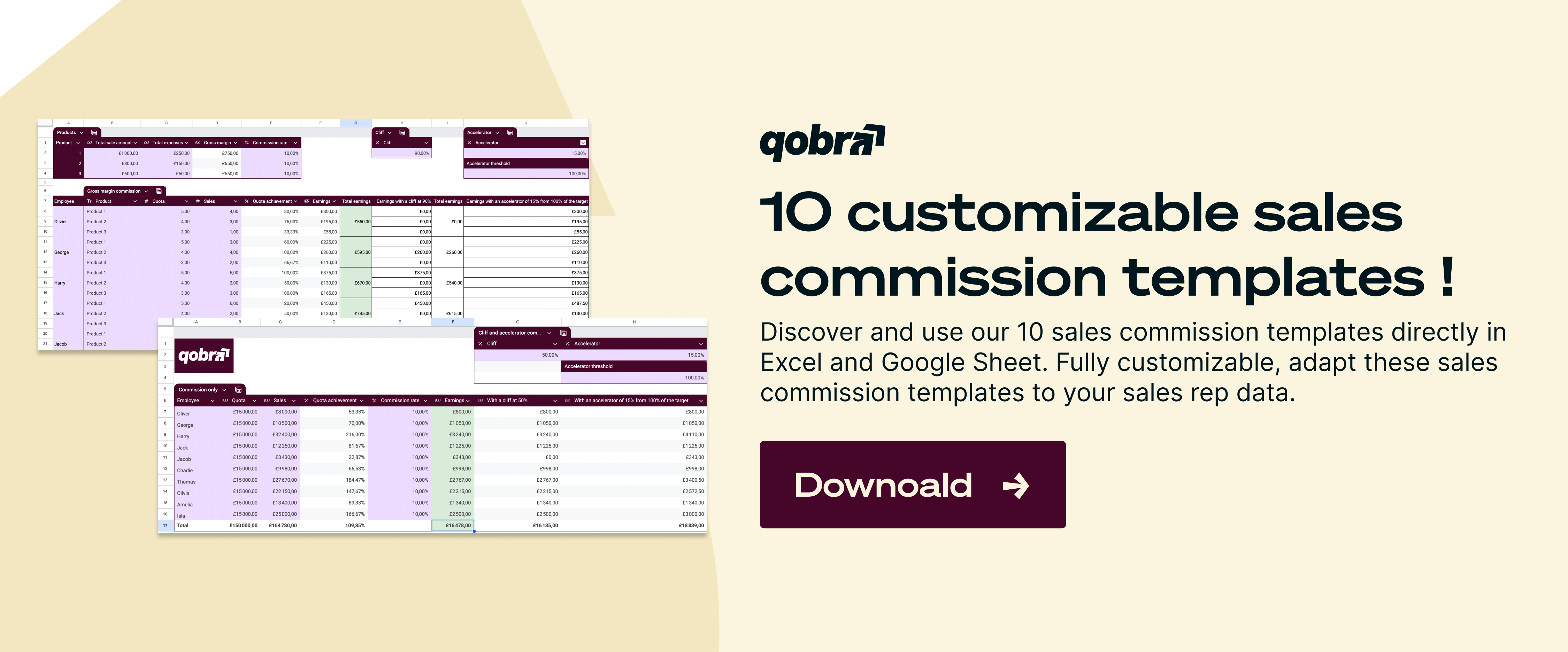
This component is particularly critical for sales teams, where motivation is directly linked to reward. Managing complex types of incentive compensation on spreadsheets can be a nightmare, leading to errors, disputes, and a lack of trust. Sales reps who can't see how their efforts translate into earnings in real-time quickly become demotivated. This is where automation becomes essential.
A modern compensation platform provides real-time visibility for sales reps, connecting directly to your CRM to calculate commissions instantly as deals are closed. This transparency empowers reps by showing them exactly what they've earned and what they need to do to reach their next goal. For managers and finance teams, it eliminates manual calculations, secures approval workflows, and ensures every payment is accurate and auditable, transforming variable pay from an administrative burden into a strategic performance lever.
3. Benefits: The Safety Net for Well-being
Benefits are the non-wage offerings that provide a crucial safety net and support employees' overall well-being. This form of indirect compensation covers essential needs like healthcare, retirement savings, and time off, demonstrating an employer's commitment to its workforce beyond the paycheck. A strong benefits package is a major factor in both attracting and retaining talent, as it provides security and supports a healthy work-life balance.
Core benefits typically include:
- Health Insurance: Medical, dental, and vision coverage.
- Retirement Plans: Such as 401(k) or pension plans, often with a company match.
- Paid Time Off (PTO): Including vacation days, sick leave, and public holidays.
- Insurance: Life and disability insurance to protect against unforeseen events.
While highly valued by employees, benefits represent a significant cost for employers—often adding 25-40% to base salary expenses. Managing these plans also involves considerable administrative complexity and requires strict adherence to regulations like ERISA and the Affordable Care Act (ACA).
4. Equity: The Ownership Stake
Equity compensation gives employees a stake in the company's success by granting them ownership through stock options, Restricted Stock Units (RSUs), or Employee Stock Purchase Plans (ESPPs). This powerful tool aligns the financial interests of employees with those of the company and its shareholders. When the company thrives, the value of their equity increases, creating the potential for significant wealth.
This component is especially common in startups and tech companies, where it helps attract top talent by offering high upside potential without a large immediate cash outlay. Vesting schedules, which require employees to stay with the company for a certain period before they gain full ownership of their shares, also make equity a powerful retention mechanism. However, equity is not without risk. Its value can fluctuate dramatically with the market or become worthless if the company fails, and understanding the tax implications and exercise rules can be complex for employees.
5. Perks: The Cultural Enhancers
Perks are the "nice-to-have" extras that go beyond core compensation and benefits to enhance the daily work experience and reflect a company's unique culture. While they don't replace the need for fair pay, they can significantly boost morale, differentiate an employer in a competitive talent market, and support employee productivity.
Post-pandemic, many companies have shifted from office-centric perks like free lunches and ping-pong tables to more flexible, remote-friendly options. Common perks today include:
- Home office stipends
- Flexible work hours and remote work options
- Wellness programs and mental health support
- Professional development and continued learning funds
- Volunteer time off
Perks are often cost-effective ways to provide high perceived value. However, their impact is limited if the core components of compensation are lacking. They are supplements, not substitutes, for a competitive salary and robust benefits package.
Direct vs. Indirect Compensation: A Strategic View
The five components of compensation can be categorized into two main types: direct and indirect. Understanding this distinction is key to building a balanced and effective Total Rewards strategy.
- Direct Compensation refers to the money paid directly to an employee. This is the most visible and easily measured part of their earnings.
- Indirect Compensation includes all non-monetary benefits and perks that have financial value but are not paid out in cash.
Here’s a clear breakdown:
| Category | Components | Purpose |
|---|---|---|
| Direct Compensation | • Base Salary • Hourly Pay • Bonuses • Commissions • Overtime Pay | To provide predictable income and reward performance with direct financial incentives. |
| Indirect Compensation | • Health Insurance • Retirement Plans • Paid Time Off • Equity Grants • Wellness Programs • Company Car • Professional Development | To provide security, support work-life balance, foster long-term loyalty, and enhance the overall employee experience. |
A successful strategy balances both direct and indirect compensation to meet the diverse needs of the workforce. While direct pay addresses immediate financial needs, indirect benefits are often the deciding factor in employee loyalty and long-term satisfaction.
Expert Advice
Regularly communicate the full value of your Total Rewards package. Many employees only focus on their base salary and are unaware of the significant investment the company makes in their benefits, retirement plans, and other perks. Providing an annual Total Compensation Statement can be a powerful tool to illustrate their complete earnings and reinforce your commitment to their well-being.
How to Determine Fair and Competitive Compensation
Setting compensation levels isn't guesswork; it's a strategic process that requires data, analysis, and a commitment to fairness. To ensure your compensation is both competitive enough to attract talent and equitable enough to retain it, you must consider both external market forces and internal consistency.
The Role of Market Data and Internal Equity
Your starting point should always be the external market. You need to know what other companies are paying for similar roles in your industry and geographic location. This is typically done through:
- Compensation Surveys: Using reliable, third-party salary data to benchmark your roles against the market.
- Competitive Analysis: Researching the compensation practices of your direct competitors for talent.
However, market data is only half the equation. You must also ensure internal pay equity. This means compensating employees fairly relative to their peers within the organization, based on factors like skill, effort, responsibility, and performance. A lack of internal equity can breed resentment and lead to discrimination claims. This is why regular pay audits are essential, especially with the rise of pay transparency laws that require employers to disclose salary ranges and address pay gaps.
Using Compa-Ratio for Strategic Adjustments
Once you've established salary ranges for your roles, you need a way to measure where each employee falls within that range. The Compa-Ratio is a simple yet powerful metric for this. It compares an employee's actual salary to the midpoint of their salary range.
Compa-Ratio Formula:
(Actual Salary / Salary Range Midpoint) x 100
The midpoint of a salary range typically represents the market rate for a fully competent, experienced employee in that role. The compa-ratio tells you how an individual's pay relates to that market rate.
- 80%-90%: Often new employees, those still developing in the role, or underperformers.
- 90%-110%: Fully competent performers who meet all job expectations. This is the target zone for most of your solid contributors.
- 110%-120%: Your highest performers and employees with extensive experience or critical skills.
By analyzing compa-ratios alongside performance reviews, you can make more strategic and equitable pay decisions. For instance, a top performer with a compa-ratio of 85% is a significant flight risk and should be prioritized for a larger pay increase. Conversely, a low performer with a ratio of 115% may have a salary that is misaligned with their contribution.
Navigating Legal and Compliance Considerations
Managing employee compensation is not just a strategic challenge; it's a legal minefield. Non-compliance with federal, state, and local laws can result in severe financial penalties, reputational damage, and costly litigation. Key areas of compliance include:
- Wage and Hour Laws: The Fair Labor Standards Act (FLSA) sets federal minimum wage and overtime rules. However, many states and cities have higher minimums. Misclassifying employees as "exempt" from overtime is a common and expensive mistake.
- Equal Pay and Anti-Discrimination: Laws like the Equal Pay Act and Title VII of the Civil Rights Act prohibit pay discrimination based on gender, race, religion, and other protected characteristics. Conducting regular pay equity audits is crucial to identify and remediate unexplained pay gaps for employees performing similar work.
- Independent Contractor Classification: The lines between an employee and an independent contractor are strictly defined. Misclassifying an employee as a contractor to avoid paying payroll taxes and benefits can trigger significant liabilities for back taxes, overtime, and penalties.
- Benefits Plan Compliance: Plans like health insurance and 401(k)s are governed by complex regulations such as ERISA and the ACA, which dictate reporting, fiduciary duties, and coverage requirements.
Attention
Pay transparency legislation is expanding rapidly. States like California, New York, and Colorado already require salary ranges in job postings. The EU's Pay Transparency Directive, effective in 2026, will impose even stricter reporting requirements on gender pay gaps. Staying ahead of these laws is no longer optional; it's essential for legal compliance and attracting talent.
Automating Compensation to Drive Performance and Transparency
For many organizations, especially those with large sales teams, the most complex and strategically important component of compensation is variable pay. Manual processes using spreadsheets are slow, prone to errors, and create a frustrating lack of visibility for everyone involved. This is where automation transforms the entire process.
By implementing a dedicated performance management system software, you can connect your CRM directly to your compensation engine. This allows you to:
- Automate Calculations: Eliminate manual data entry and ensure every commission and bonus is calculated accurately and instantly.
- Provide Real-Time Visibility: Give sales reps a live dashboard where they can track their earnings against their goals, motivating them to close the next deal.
- Streamline Workflows: Create secure, automated approval processes for Ops, Finance, and HR, reducing the time it takes to validate and pay commissions from weeks to days.
- Model and Forecast: Use a sandbox environment to simulate the financial impact of new compensation plans before you roll them out, ensuring your B2B sales commission plans are both motivating and financially sustainable.
This shift from manual administration to strategic automation frees up your teams to focus on what matters most: analyzing performance, refining incentive strategies, and driving business growth.
Ultimately, understanding the key elements of compensation is the first step toward building a program that does more than just pay your employees. A strategic blend of salary, incentives, benefits, equity, and perks—powered by modern technology—becomes a competitive advantage that attracts the right people, motivates them to excel, and ensures they stay for the long haul.
What is the difference between compensation and benefits?
Compensation and benefits are both key parts of a total rewards package, but they serve different functions. Compensation refers to the direct monetary payments an employee receives, such as base salary, hourly wages, bonuses, and commissions. It is the cash reward for their work. Benefits, on the other hand, are a form of indirect, non-wage compensation. This includes health insurance, retirement plans, paid time off, and life insurance. While benefits have a clear financial value, they provide security and support for an employee's well-being rather than direct spendable income.
Of the five components covered here, only the variable share changes every month and depends on data held in the CRM. That is why companies automate it first, with variable compensation software, while base salary and benefits stay in the HRIS.