

SAP Incentive Management: What It Is and Alternatives to Consider
Learn what SAP incentive management is and compare plan design workflows, dispute tracing, and modern incentive compensation alternatives for sales teams.


- SAP Incentive Management is an enterprise platform designed to model and manage complex sales incentive plans using templates and drag-and-drop tools.
- Key product capabilities include one-click traceability for dispute resolution and structured compensation plan design.
- Modern platforms such as Qobra provide no-code editors, multi-currency support, validation workflows, and sandboxes with dedicated plans and statements.
Explore SAP Incentive Management capabilities, plan design workflows, dispute tracing, and modern incentive compensation alternatives for sales teams.
What is SAP Incentive Management?
SAP Incentive Management is enterprise software designed to model, build, and optimize complex incentive compensation plans. According to SAP public product documentation, the platform provides drag-and-drop plan building interfaces, preconfigured plan templates, and one-click traceability to address compensation inquiries and payment disputes across sales organizations.
Core Focus and Operational Scope
Incentive compensation management platforms serve organizations that run structured variable pay plans across distributed sales forces. The scope described by SAP centers on establishing governance over calculation logic, centralizing plan administration, and providing tools to resolve compensation inquiries. Rather than relying on spreadsheets that lack version controls, enterprise compensation tools structure formulas, bonuses, accelerators, and disputes inside a unified software environment.
Category Definition — Incentive compensation management (ICM) software automates the calculation, governance, and administration of variable sales pay, replacing manual calculation sheets with systematic rules and audit trails.
What to expect from it
When evaluating SAP Incentive Management or any enterprise compensation solution, operations and finance leaders must determine whether the platform supports their administrative workflows, rep communication standards, and audit requirements. A robust deployment should reduce manual adjustment overhead while giving administrators clear control over plan changes.
Essential Platform Capabilities Checklist
- Visual plan configuration: Drag-and-drop interfaces and preconfigured templates that allow administrators to model and update incentive plans without engineering dependencies.
- Auditability and dispute resolution: One-click traceability to review transaction origins, payout calculations, and commission inquiries raised by sales personnel.
- Scenario testing and simulation: Safe environments to test plan logic, rate tables, and promotional accelerators before deploying changes to live revenue teams.
- Enterprise data integration: Connectors to ingest transactional data from CRM systems, ERPs, and billing platforms to maintain reliable calculations.
- Administrative governance: Role-based permissions, payout approvals, and review workflows that align sales operations with finance teams.
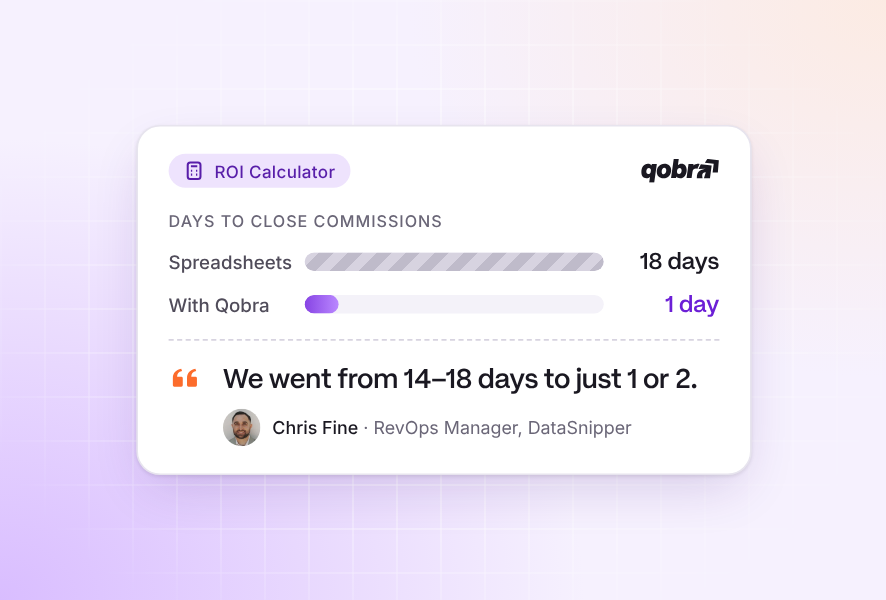
Evaluating these functional areas helps buyers separate high-level marketing descriptions from day-to-day administrative realities. When teams assess total ownership costs, running an exploratory evaluation using a specialized tool like an roi calculator helps clarify financial returns across administrative time savings and error reduction.

How Qobra handles it
Qobra offers an agile sales compensation platform built to give revenue operations and finance teams complete autonomy over compensation plan administration. Rather than requiring complex code or dedicated professional services for routine rule modifications, Qobra markets a no-code plan editor with configurable calculation rules and built-in commission models.
Plan Configuration, Workflows, and Multi-Currency Logic
Within Qobra, administrators configure custom rules, tiers, bonuses, and split logic using visual settings. The platform supports multi-currency calculations to accommodate global sales teams and provides structured validation workflows where managers and finance leaders review, comment on, and lock calculated amounts before distribution. Individual statements provide clear recaps for each employee across every calculation period.
Isolated Sandboxes and Audit Integrity
To prevent untested logic from disrupting production payroll, Qobra documents sandboxes as distinct copies of company compensation data. Each sandbox holds its own plans, quotas, statements, and reports, enabling operations teams to simulate rule adjustments and test edge cases safely without modifying live data. Once verified, changes can be rolled out with an audit trail that tracks platform actions.
Testing Plan Modifications Safely — In Qobra, sandboxes duplicate compensation data into an isolated workspace. Administrators can adjust quotas or accelerators and review recalculated statements before committing updates to production.
Options compared
Selecting the right compensation management platform requires comparing documented software features directly against organizational size, technical resources, and operational agility requirements. Buyers researching alternatives often examine how different systems handle interface complexity, testing environments, and pricing transparency.
Documented platform capabilities based on vendor public specifications.
| Vendor | Published pricing model | Documented capabilities |
|---|---|---|
| SAP Incentive Management | Not publicly listed | Drag-and-drop plan building, preconfigured templates, complex plan modeling, one-click traceability for dispute resolution. |
| Qobra | Not publicly listed | No-code plan editor, configurable rules, sandbox environments with independent plans and statements, multi-currency support, validation workflows, dashboards. |
Market Ecosystem and Alternative Comparisons
Organizations evaluating enterprise compensation tools frequently compare mid-market and modern SaaS alternatives. For comprehensive evaluations between modern platforms, operations teams can review side-by-side analyses such as qobra vs spiff or explore workflow differentiators in qobra vs captivateiq to assess how various tools approach rule building, usability, and commission tracking.
How to choose
Choosing the right incentive compensation platform depends on your team's administrative structure, plan volatility, and technical self-sufficiency. Heavy enterprise platforms suit massive workforces with dedicated IT support, whereas modern platforms empower RevOps and finance to adapt plans dynamically.
Step-by-Step Platform Selection Framework
- Audit plan complexity and currency needs: Document every commission component, SPIF, split, and international currency requirement to confirm calculation support.
- Evaluate administrator autonomy: Verify whether your operations team can create and modify plans independently using a no-code editor or if ongoing vendor consulting is required.
- Verify testing and simulation isolation: Confirm that the system provides dedicated sandboxes where administrators can model rate changes and preview statements before pushing to production.
- Review dispute and audit workflows: Inspect traceability tools to ensure managers and sales reps can review calculation breakdowns and resolve inquiries directly within the platform.
- Validate approval workflows: Confirm that multi-tier validation workflows exist so finance, sales leadership, and HR can lock monthly payouts securely.
Key Questions to Ask During a Vendor Demonstration
During platform demonstrations, request that vendors build a representative slice of your comp plan live. Ask how exceptions, draws, and mid-period quota adjustments are handled. Specifically examine whether the solution requires manual data manipulation in external spreadsheets or if calculations and audit logs remain strictly contained within the platform.
Implementation Governance — Ensure the demo demonstrates how historical plan versions are locked and audited. Maintaining clear version history is crucial when compensation rules evolve across fiscal quarters.
Frequently asked questions
How do you choose between the options for SAP Incentive Management?
Choose based on team autonomy, plan complexity, and technical requirements. While SAP Incentive Management offers enterprise modeling with templates and dispute tracing, alternatives like Qobra provide no-code plan administration, multi-currency support, and isolated testing sandboxes that revenue operations and finance teams can manage directly without specialized developer resources.